

by SPEAKIN’ OUT NEWS
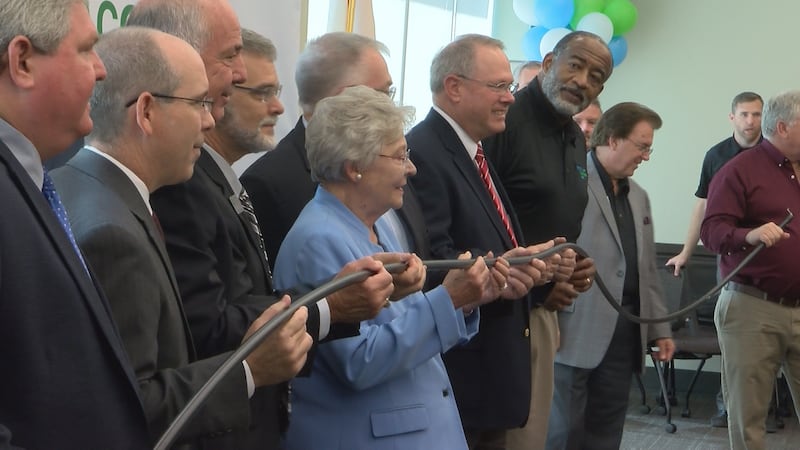
One of Alabama’s biggest business stories this year is unfolding far from the usual ribbon cuttings. In March, Governor Kay Ivey announced approval of the state’s final BEAD broadband proposal and nearly $460 million in awards for 63 projects expected to extend high-speed internet access to about 92,000 unserved locations statewide.
For many communities, especially in rural and underserved areas, broadband is no longer a luxury or a convenience. It is business infrastructure. Entrepreneurs need it to sell goods and services. Students need it for training that leads to modern jobs. Working adults need it for job applications, certifications, telehealth access, and remote work opportunities. Without reliable service, families and small businesses can be locked out of the very systems that now drive economic mobility.
State officials said 71 percent of the projects will use fiber technology, with the rest relying on satellite or hybrid systems. Alabama also said the average cost will come in below $5,000 per location, a figure leaders framed as a major return on public investment. If those numbers hold, the state could widen internet access while also creating a stronger foundation for long-term private-sector growth in places that often struggle to attract it.
The real importance of this push is not just technical. It is geographic and moral. If the rollout succeeds, more of Alabama’s growth could reach places that have historically been left behind by digital infrastructure. That means a stronger runway for small business growth, remote learning, workforce development, and more equitable access to opportunity. In practical terms, broadband may become one of the state’s most important tools for expanding who participates in Alabama’s economy and for narrowing the gap between booming metros and left-behind communities.