

By SPEAKIN’ OUT NEWS
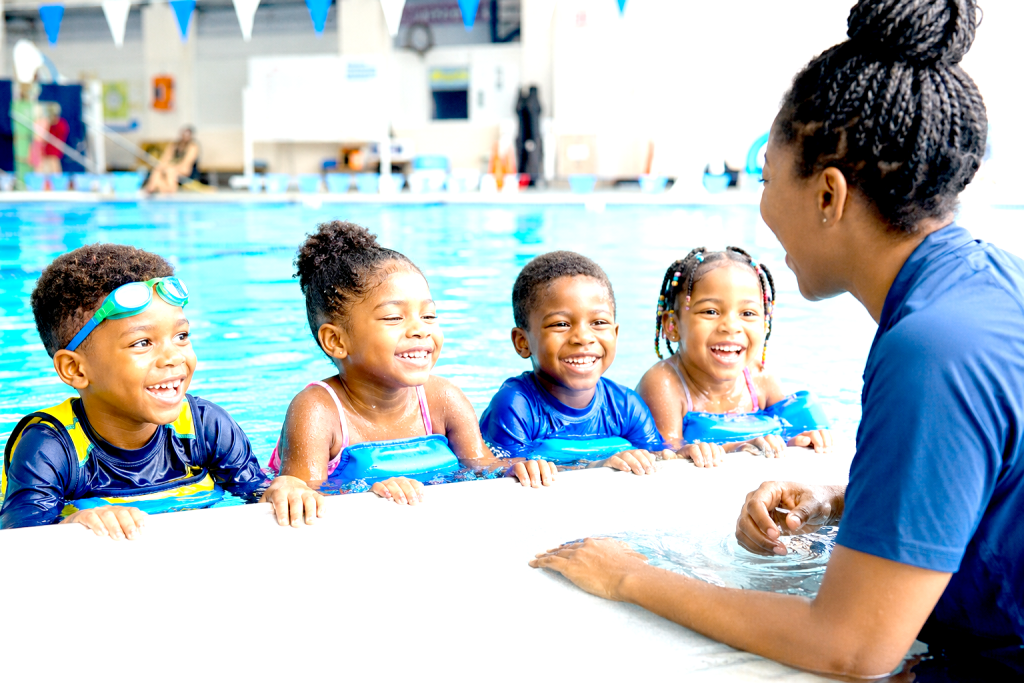
As pools and beaches fill up for summer, safety advocates are urging more Black families to prioritize swim lessons, warning that drowning rates among Black children remain alarmingly high nationwide.
According to health experts, Black children between the ages of 10 and 14 drown at significantly higher rates than white children. Community leaders say generational fear of water, lack of affordable lessons, and historical barriers to pool access have contributed to the disparity for decades.
Now, parents, swim instructors, and community organizations are encouraging families to treat swimming as a life-saving skill rather than just a recreational activity.
Experts say beginner swim lessons help children build confidence, improve coordination, and learn critical survival skills like floating, breathing control, and safe pool behavior.
Safety experts also shared several important pool safety tips:
Avoid cheap inflatable arm floaties alone because they can slip off easily.
Never rely on swim aids without close adult supervision.
Swim vests help build confidence but do not replace swim lessons.
Bright-colored swimwear and flotation devices are easier to see underwater.
Many instructors recommend children begin with a U.S. Coast Guard-approved swim vest for confidence before gradually transitioning to supervised swimming without flotation aids as their skills improve.
Families in Huntsville and Madison now have several beginner-friendly swim programs available through city pools, natatoriums, and private swim schools.
Advocates say teaching Black children how to swim is about more than summer fun — it’s about confidence, health, opportunity, and preventing tragic drownings that continue affecting communities every year.