

SPEAKIN’ OUT NEWS
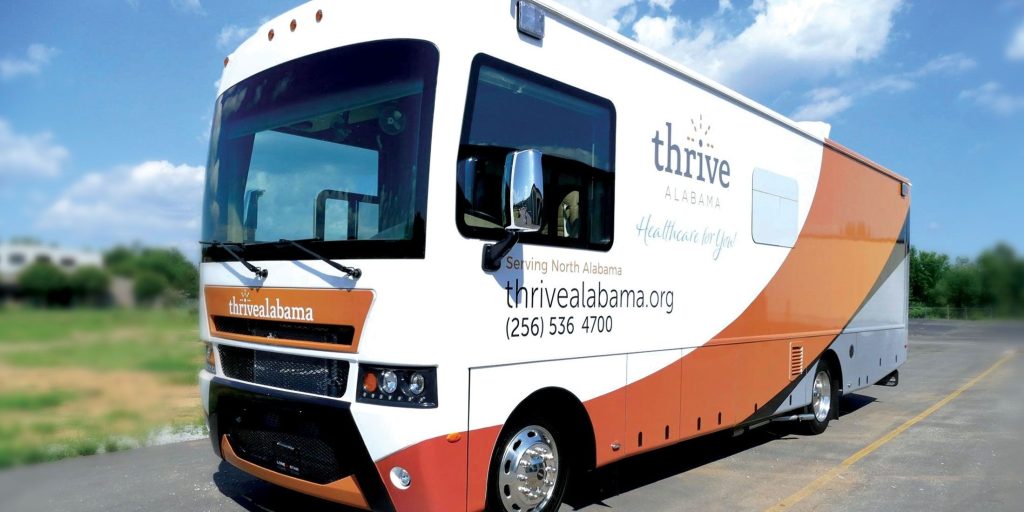
HUNTSVILLE, Ala. — A major investment in community health is set to expand life-saving services across North Alabama as Thrive Alabama receives new funding to strengthen HIV prevention and outreach efforts in underserved communities.
The funding, awarded through the Gilead Foundation’s Community Health Worker Comprehensive HIV Prevention Initiative, is part of a $12 million national effort supporting organizations in 14 states and Washington, D.C.
For Thrive Alabama, the impact will be local—and deeply needed.
The organization plans to expand access to HIV and hepatitis C testing, cardiovascular screenings, and prevention education, particularly in public housing and low-income communities where access to care is often limited.
Thrive Alabama CEO Mary Elizabeth Marr emphasized the importance of reaching those who have historically been overlooked.
“Thrive Alabama is so excited to reach those in our community that have historically had little access to correct scientific information about HIV and STDs,” Marr said. “We will also be able to provide care for those who are found to be positive.”
Through partnerships with community organizations, Thrive Alabama aims to build a long-term presence in the neighborhoods most affected, focusing on education, early detection, and ongoing support.
The initiative will also expand integrated screenings for HIV, sexually transmitted infections, mental health, and substance use, while connecting individuals to critical services like PrEP and harm-reduction programs.
Health leaders say reducing stigma is just as important as expanding access.
By bringing culturally responsive care directly into communities, Thrive Alabama is working to create safe spaces where individuals feel empowered to seek information, testing, and treatment.
Because when access increases, lives can change—and communities grow stronger.