


By SPEAKIN’ OUT NEWS
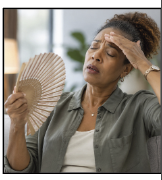
Approximately 75 percent of women experience hot flashes and night sweats during menopause, prompting increased interest in evidence-based natural treatment options. Research from the National Center for Complementary and Integrative Health confirms several non-pharmaceutical approaches demonstrate significant symptom relief, offering alternatives for women concerned about hormone therapy risks.
A 2023 review of 22 clinical studies found black cohosh extracts potentially beneficial for overall menopause symptoms, with data showing improvements in hot flash frequency. European-standardized extracts containing 40mg of triterpene glycosides, taken daily, demonstrate a meaningful reduction in vasomotor symptoms. When combined with pycnogenol, French maritime pine bark extract, providing 100-200mg daily, is reported to provide enhanced relief across multiple symptoms, including sleep quality and mood.
NCCIH-funded research demonstrates acupuncture significantly reduces vasomotor symptoms by up to 36.7 percent when compared to usual care, with benefits persisting at least six months after treatment completion. Clinical data show significant improvement after just three sessions, with maximum benefits achieved after eight treatments targeting specific body points affecting autonomic nervous system regulation.
Clinical trials document paced breathing exercises producing over 50 percent reduction in hot flash intensity when practiced consistently. The technique, involving six breaths per minute for 15 minutes daily, activates parasympathetic nervous system responses that counter symptom triggers.
Dietary interventions show promise, with studies indicating 25-40 grams of ground flaxseed daily produces hot flash frequency and intensity reductions comparable to low-dose estrogen after 6-12 weeks. Phytoestrogen-rich foods including soy, chickpeas, and lentils offer additional plant-based support.
The North American Menopause Society endorses cognitive behavioral therapy as first-line non-hormonal treatment, with four to six sessions demonstrating improved sleep, mood, and reduced symptom interference with daily functioning.