


By SPEAKIN’ OUT NEWS
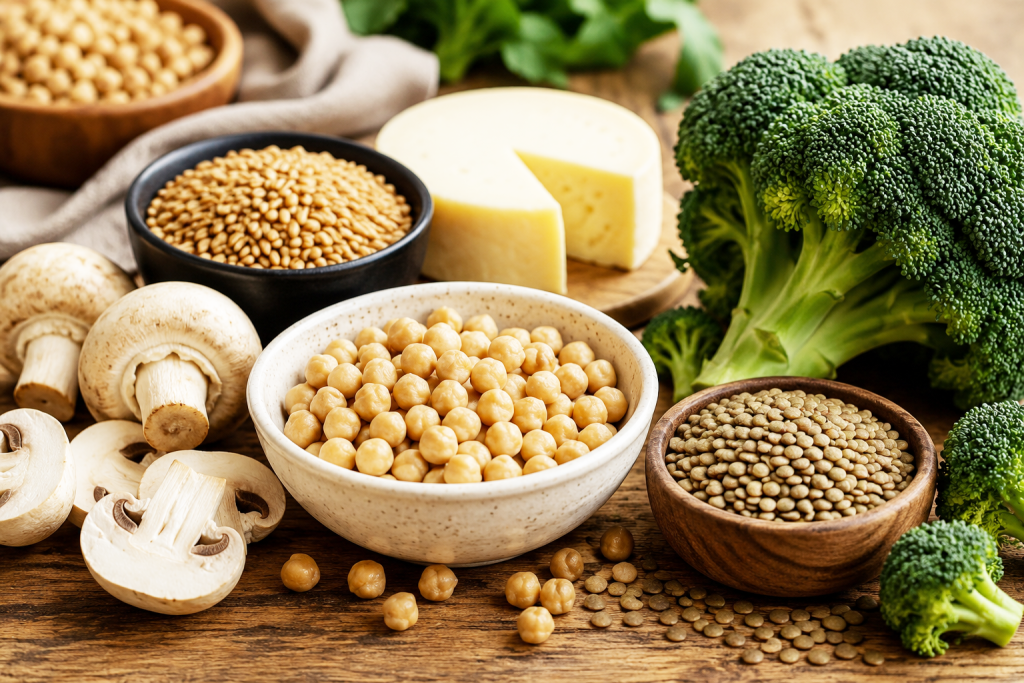
A naturally occurring compound found in foods such as chickpeas, lentils, broccoli, mushrooms and certain cheeses may help improve vaccine responses in some older adults, according to new research from the University of Oxford.
Researchers at Oxford’s Nuffield Department of Orthopaedics, Rheumatology and Musculoskeletal Sciences (NDORMS) studied spermidine, a molecule produced naturally by the body that plays a role in cellular health and maintenance. As people age, levels of spermidine decline, while the immune system becomes less effective at responding to infections and vaccines.
The findings, published in the journal Aging Cell, are based on a pilot clinical trial involving 40 healthy adults over age 65 who had received three COVID-19 vaccine doses. Participants received either a daily spermidine supplement or a placebo for 13 weeks.
Researchers found that about one-quarter of participants had weak antibody responses despite being vaccinated. These individuals also showed signs of immune-system aging, including increased DNA damage and cellular senescence.
Among those with poor vaccine responses, spermidine supplementation was linked to stronger antibody production, improved B-cell activity and enhanced protection against multiple variants of the virus. The compound also appeared to stimulate autophagy, the body’s natural process of removing damaged cellular material.
Lead researchers said the results suggest that biological aging of immune cells may contribute to weaker vaccine protection in some seniors. However, they cautioned that the study was small and that larger clinical trials are needed to confirm whether spermidine can consistently improve vaccine effectiveness in older adults.