


By SPEAKIN’ OUT NEWS
Hantavirus is drawing national attention after a recent international outbreak linked to travel raised questions about whether the rare disease could become another COVID-style threat. Health experts say the disease can be serious, but it spreads very differently from COVID-19.
As of the latest publicly available information, there are no widely reported current hantavirus cases in Alabama. The Centers for Disease Control and Prevention says most U.S. hantavirus cases have occurred west of the Mississippi River, and CDC surveillance shows 890 laboratory-confirmed cases in the U.S. from 1993 through the end of 2023.
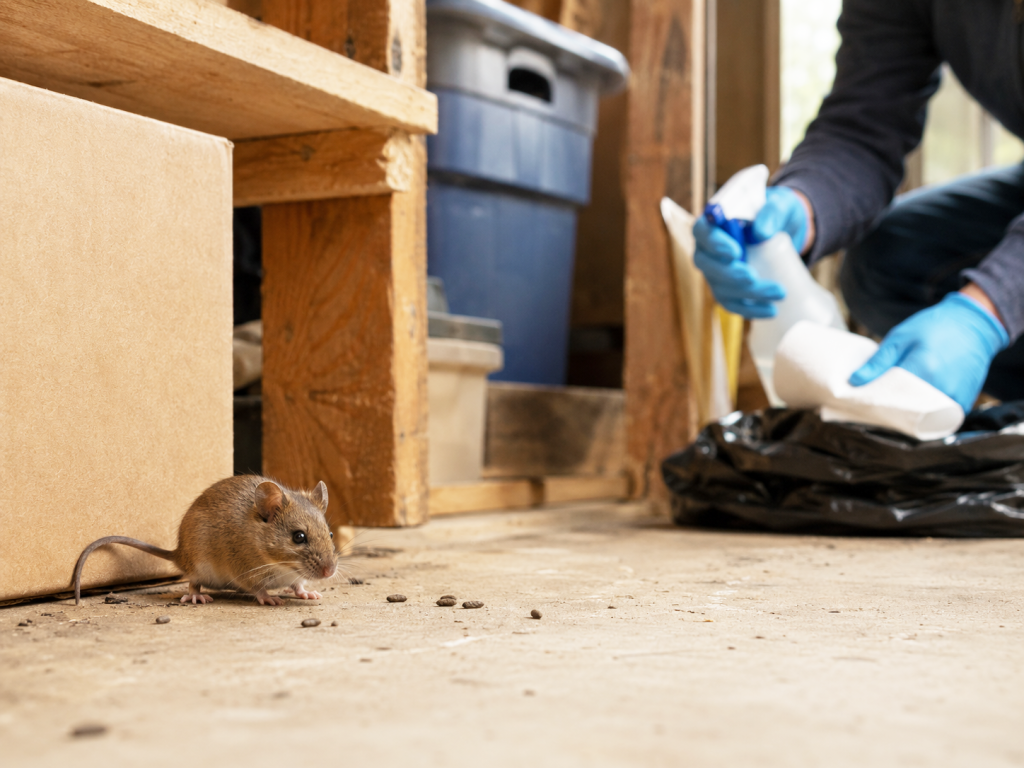
Hantaviruses are spread mainly by rodents, including mice and rats. People are most often infected when tiny particles from rodent urine, droppings, or saliva become airborne and are breathed in. This can happen while cleaning garages, sheds, attics, barns, cabins, or old storage areas where rodents have nested. The virus can also spread through contaminated food or surfaces, or, rarely, through rodent bites or scratches.
Most hantaviruses do not spread from person to person. CDC says the Andes virus is the only known hantavirus type that can spread between people, usually through close contact with someone who is sick.
Symptoms can appear one to eight weeks after exposure and may begin with fever, fatigue, muscle aches, headaches, dizziness, chills, nausea, vomiting, diarrhea, or abdominal pain. Later symptoms can include coughing, shortness of breath, and chest tightness as the lungs fill with fluid. CDC says hantavirus pulmonary syndrome can be deadly, and there is no specific antiviral cure; treatment is supportive hospital care.
For Alabama families, the best protection is prevention: keep rodents out, seal gaps, remove food sources, set traps when needed, and avoid sweeping or vacuuming rodent-contaminated areas before proper disinfecting.