


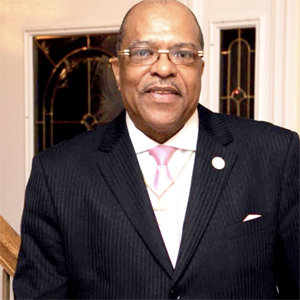
By: REV. DR. ISAIAH ROBINSON, JR.
Scriptural text: Deuteronomy 15: 4-45 ; Matthew 25: 42-35
KEY VERSE: THERE WILL ALWAYS BE POOR PEOPLE IN THE LAND. THEREFORE I COMMAND YOUTO BE OPENHANDED
TOWARD YOUR FELLOW ISRAELITES WHO ARE POOR AND NEEDY IN YOUR LAND. (DEUTERONOMY 15; 11)
INTRODUCTION: The book of Deuteronomy reaffirms the Law given by Moses. As the Israelites traveled through the wilderness, they learned how to live together as a community. These lessons prepared them for life in the Promised Land. The commands were not optional suggestions but divine mandates for covenant living. Through a series of signs and wonders, God poured out blessings on his people, delivering them from slavery, through the wilderness to the land He had promised their ancestors. God’s design was that His people would remember their history and share His blessings, since all possessions belong to Him. Jesus is the new lawgiver continued this call for generosity. But He tried it directly to Himself. The idea that the Creator of all is identified. The situation with the poor was striking. Jesus showed that poverty does not separate one from God. What separates is the refusal to care for sisters and brothers in need.
Easing the Burden of Poverty Should Be a Human Endeavor (Det 15 : 4-6).
The Stipulation for Prosperity. The book of Deuteronomy teaches that God’s laws are given for the people’s benefit, to guide their hearts and behavior in covenant faithfulness. Moses reminded the people of their deliverance from Egypt and emphasized their duty to care for the poor among them. If they obeyed God and did not harden their hearts. He would bless the abundantly. In Matthew 25: 42-45, Jesus reinforces this principle. God entrusts us with time, talent, and resources, not for selfish gain, but to serve others and advance His kingdom. Some assume poverty is inevitable and best left for God to solve. Yet, Scripture places the responsibility for easing poverty on the covenant community itself. God blesses His people with abundance so that no one needs to suffer lack. Tithes ensured that the house of God, its workers, and the poor were cared for. Jesus affirmed this principle, reminding His disciples, “ the poor you have with you always” (John 12:8 NKJV). Poverty is not tied in this passage to laziness, race, or personal failures. Instead, it is a human reality requiring a compassionate response. God commands His people to meet need without judgment.
Generosity Makes Room for More
( Det. 15: 7-11). Any doubt about God’s concern for the poor is dispelled in this passage. God’s law mandated not only caring for others but also showing cheerful generosity. Jacob’s descendants entered Egypt during a famine, but later with riches. In the wilderness, they received manna with instructions not to board. In Canaan, the law of debt release every seventh year required trust in God’s provision. Though leaders feared loss, obedience promised blessings. God’s logic is simple: generosity makes room for more. Hoarding leads to emptiness, but generosity multiplies blessings for both the giver and receiver.
When You Ignore the Least of These You Ignore Christ (Matthew 25: 42-45)
Jesus identified Himself with the poor and marginalized. To neglect them is to neglect Him. The earth is the Lord, and the fullness thereof. Yet, He locates Himself in the faces of the hungry, the naked, the stranger, and the imprisoned. Prosperity is not always proof of divine favor, nor is poverty evidence of divine absence. Jesus
simply declared that blessed are those who are poor. Giving to the poor lends to the Lord. Ignoring them is rejecting His presence. No circumstance can separate God’s children from His love. The church must never forget its calling to be a visible representation of Jesus love and justice. Jesus, the ever-present companion of His people, will hold accountable those who turn a blind eye to human need. KEY VERSE:
THERE WILL ALWAYS BE POOR PEOPLE IN THE LAND. THEREFORE I COMMAND YOUTO BE OPENHANDED
TOWARD YOUR FELLOW ISRAELITES WHO ARE POOR AND NEEDY IN YOUR LAND. (DEUTERONOMY 15; 11)
INTRODUCTION: The book of Deuteronomy reaffirms the Law given by Moses. As the Israelites traveled through the wilderness, they learned how to live together as a community. These lessons prepared them for life in the Promised Land. The commands were not optional suggestions but divine mandates for covenant living. Through a series of signs and wonders, God poured out blessings on his people, delivering them from slavery, through the wilderness to the land He had promised their ancestors. God’s design was that His people would remember their history and share His blessings, since all possessions belong to Him. Jesus is the new lawgiver continued this call for generosity. But He tried it directly to Himself. The idea that the Creator of all is identified. The situation with the poor was striking. Jesus showed that poverty does not separate one from God. What separates is the refusal to care for sisters and brothers in need.
Easing the Burden of Poverty Should Be a Human Endeavor (Det 15 : 4-6).
The Stipulation for Prosperity. The book of Deuteronomy teaches that God’s laws are given for the people’s benefit, to guide their hearts and behavior in covenant faithfulness. Moses reminded the people of their deliverance from Egypt and emphasized their duty to care for the poor among them. If they obeyed God and did not harden their hearts. He would bless the abundantly. In Matthew 25: 42-45, Jesus reinforces this principle. God entrusts us with time, talent, and resources, not for selfish gain, but to serve others and advance His kingdom. Some assume poverty is inevitable and best left for God to solve. Yet, Scripture places the responsibility for easing poverty on the covenant community itself. God blesses His people with abundance so that no one needs to suffer lack. Tithes ensured that the house of God, its workers, and the poor were cared for. Jesus affirmed this principle, reminding His disciples, “ the poor you have with you always” (John 12:8 NKJV). Poverty is not tied in this passage to laziness, race, or personal failures. Instead, it is a human reality requiring a compassionate response. God commands His people to meet need without judgment.
Generosity Makes Room for More
( Det. 15: 7-11). Any doubt about God’s concern for the poor is dispelled in this passage. God’s law mandated not only caring for others but also showing cheerful generosity. Jacob’s descendants entered Egypt during a famine, but later with riches. In the wilderness, they received manna with instructions not to board. In Canaan, the law of debt release every seventh year required trust in God’s provision. Though leaders feared loss, obedience promised blessings. God’s logic is simple: generosity makes room for more. Hoarding leads to emptiness, but generosity multiplies blessings for both the giver and receiver.
When You Ignore the Least of These You Ignore Christ (Matthew 25: 42-45)
Jesus identified Himself with the poor and marginalized. To neglect them is to neglect Him. The earth is the Lord, and the fullness thereof. Yet, He locates Himself in the faces of the hungry, the naked, the stranger, and the imprisoned. Prosperity is not always proof of divine favor, nor is poverty evidence of divine absence. Jesus
simply declared that blessed are those who are poor. Giving to the poor lends to the Lord. Ignoring them is rejecting His presence. No circumstance can separate God’s children from His love. The church must never forget its calling to be a visible representation of Jesus love and justice. Jesus, the ever-present companion of His people, will hold accountable those who turn a blind eye to human need.