


SPEAKIN’ OUT NEWS
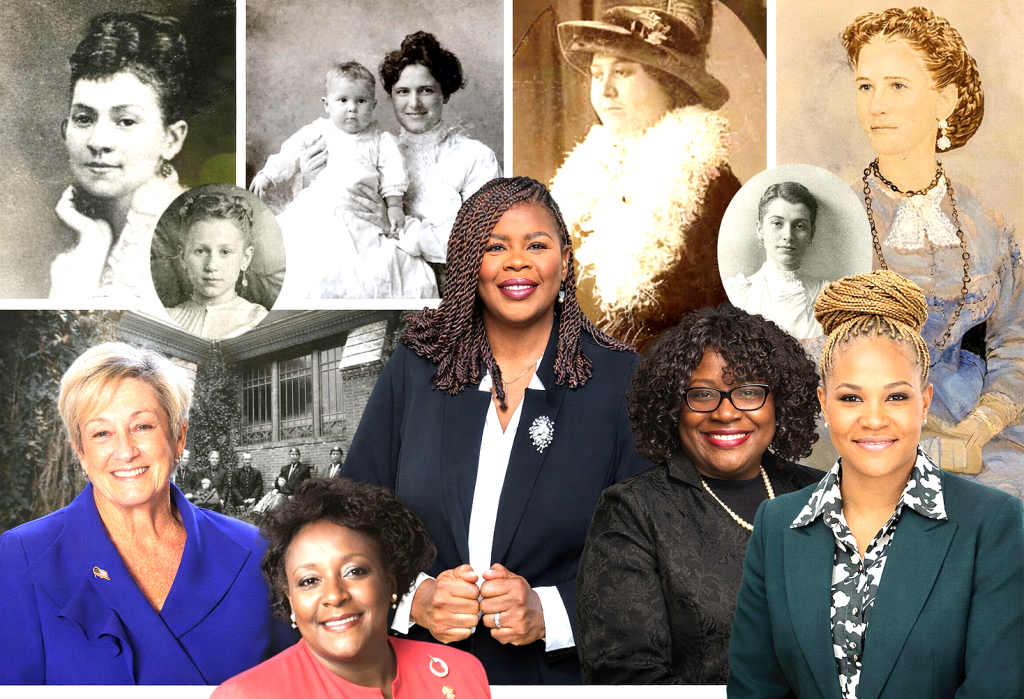
HUNTSVILLE, Ala. — Long before Huntsville became known as “Rocket City,” women in North Alabama were working to secure one of the most fundamental rights in American democracy — the right to vote.
Through advocacy, leadership, and civic courage, women in Huntsville helped advance the national suffrage movement and later shaped the city’s political and community leadership. Their efforts laid the foundation for generations of women who continue to influence Huntsville and Madison County today.
The Women Who Sparked Huntsville’s Suffrage Movement
Huntsville’s suffrage movement gained momentum in the late 19th century through the leadership of Alberta Chapman Taylor. Taylor helped ignite the local effort by inviting national suffrage leaders Susan B. Anthony and Carrie Chapman Catt to speak at Huntsville City Hall in 1895.
Their visit energized the community and helped organize women into the Huntsville Equal Suffrage Association (HESA), a local organization dedicated to advancing women’s voting rights.
Taylor’s sister, Ellelee Chapman Humes, followed closely in her footsteps and became a strong leader within the association. Humes helped mobilize women throughout the community and encouraged civic participation among Huntsville women.
Another influential voice in the movement was Alice Boarman Baldridge, a practicing attorney and one of the first women to enter the legal profession in Madison County. Baldridge used her legal expertise and public voice to advocate for women’s political participation and equal rights.
Community advocate Inez Herndon also supported the suffrage movement through civic and social organizations, helping expand awareness and support for women’s voting rights.
Together, these women helped establish Huntsville as an active participant in the national movement that ultimately led to the ratification of the 19th Amendment in 1920.
Black Women and the Fight for the Ballot
While white suffrage organizations gained visibility in the early movement, African American women in Madison County were also determined to claim their right to vote, despite the barriers of segregation and discrimination.
Historical records show that six Black women in Madison County successfully registered to vote in 1920, shortly after the ratification of the 19th Amendment.
Those women were:
• Mary Binford Wood
• Julia Patton
• Mary Smith
• Maggie Moore
• Fannie Garth
• Adella Carter
Their achievement was extraordinary. Although women had gained the right to vote, Black women across the South still faced major barriers including poll taxes, literacy tests, intimidation, and Jim Crow laws designed to suppress Black voters.
Despite these challenges, these women successfully registered and became among the first African American women voters in Madison County.
Historians note that Black women often organized through churches, women’s clubs, and community networks, helping educate residents about voter registration and civic participation.
Honoring Their Legacy
Today, historical markers in Huntsville help ensure that the stories of the leaders of the Huntsville Equal Suffrage Association and the six Black Madison County women who registered to vote in 1920 remain permanently inscribed in the Huntsville landscape.
These markers recognize the courage and determination of women who helped secure voting rights and expanded democracy in the community.
A New Generation of Women Leaders
The legacy of Huntsville’s early suffrage pioneers can be seen in the women who later rose to leadership positions in local and state government.
Representative Laura Hall made history in 1993 when she became the first African American woman elected to represent Alabama House District 19, which includes parts of Huntsville and Madison County.
A longtime educator before entering politics, Hall has served in the Alabama Legislature for more than three decades, advocating for education, healthcare, and community development. Her historic election reflected the continued progress of women in public leadership in Huntsville and across Alabama.
In 1996, Loretta Spencer made history when she became Huntsville’s first female mayor, serving until 2008 and guiding the city through a period of rapid growth and development.
In 2000, Dr. Virginia Caples also broke barriers in local government when she became the first African American woman elected to the Huntsville City Council, representing District 1. Her leadership focused on education, community development, and improving opportunities for underserved communities.
In 2008, Laurie McCaulley also contributed to local leadership when she was elected to the Huntsville City Schools Board of Education, where she worked to support educational equity, improve school facilities, and provide opportunities for students across the district.
Violet Edwards also made history in local government when she became the first Black woman elected as Madison County Commissioner for District 6 in 2020 and reelected in 2024. Her election marked another milestone in the growing representation of African American women in leadership roles in Madison County. Edwards has been recognized for her commitment to community service, economic development, and improving opportunities for residents throughout the district.
In 2024, Michelle Watkins represents a new generation of women leaders in Huntsville. She was elected to the Huntsville City Council representing District 1, continuing the growing presence of African American women in city leadership. Prior to serving on the council, Watkins served on the Huntsville City Schools Board of Education for eight years, where she worked to strengthen educational opportunities for students and families across the district.
A Legacy That Continues
From suffrage organizers who invited national leaders to Huntsville, to Black women who bravely registered to vote in 1920, to modern political and community leaders, women have played a vital role in shaping the history and progress of Huntsville.
Their courage helped expand democracy and strengthen civic participation across generations.
As Huntsville continues to grow, the legacy of these women remains an essential part of the city’s story — a reminder that the rights enjoyed today were secured through the determination and leadership of women who refused to be left out of the democratic process.


