


By SPEAKIN’ OUT NEWS
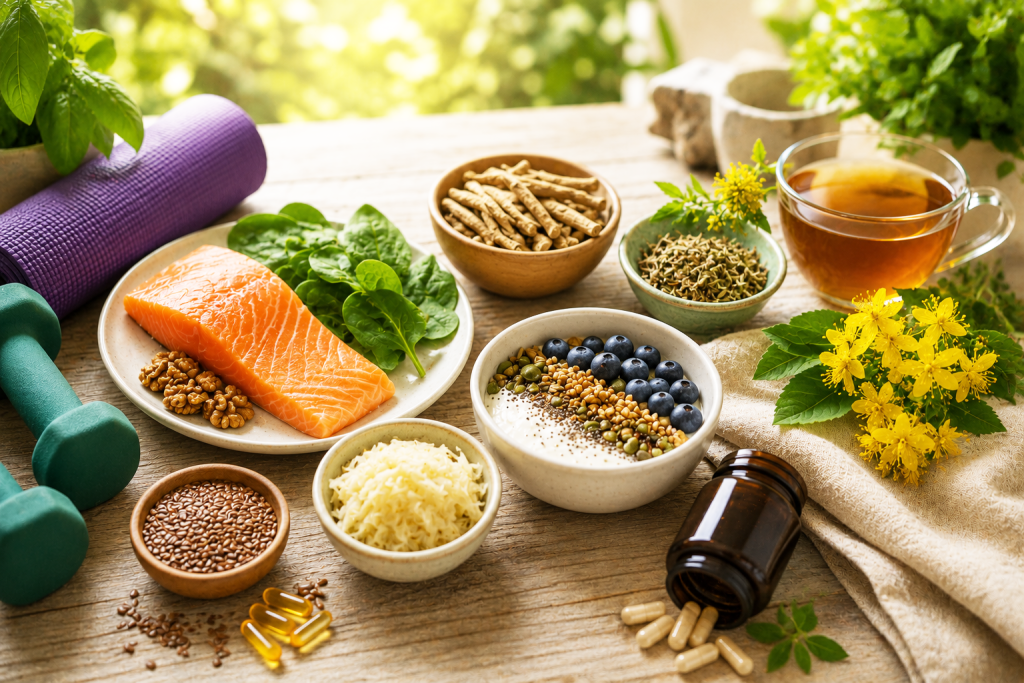
Mental health advocates are promoting natural depression management strategies as communities nationwide confront treatment access barriers. Research indicates disparities exist across racial and ethnic groups, with cost, stigma, and cultural barriers preventing many from receiving support. Black Americans face particularly acute challenges, reporting serious psychological distress 20 percent more frequently than white adults yet receiving treatment at significantly lower rates due to medical bias and historical healthcare mistrust.
Health professionals increasingly recommend vitamin D supplementation and daily sunlight exposure as foundational interventions. A March 2026 study found that 82 percent of Black Americans have vitamin D deficiency, the highest rate nationally. Melanin-rich skin requires five to ten times more sun exposure to produce equivalent vitamin D levels. Experts suggest 10-20 minutes of midday sun exposure for lighter skin tones and significantly more for darker complexions, combined with D3 supplementation of 2,000-4,000 IUs daily.
Omega-3 fatty acids, particularly EPA and DHA found in fatty fish, demonstrate significant mood-regulation benefits across all populations. Recent research confirms EPA-rich formulations outperform DHA-only supplements for depressive symptoms. Nutritionists recommend fatty fish consumption twice weekly or alternative sources including flaxseeds and fish oil.
Adaptogenic herbs including ashwagandha and rhodiola rosea show universal promise in clinical trials. Ashwagandha reduces cortisol while supporting serotonin pathways, with 300-600mg daily demonstrating anxiety reduction after eight weeks. Rhodiola enhances dopamine and serotonin activity with typical doses of 200-600mg daily.
Exercise research confirms moderate aerobic activities including brisk walking, dancing, and yoga benefit all communities equally. These activities trigger endorphin, serotonin, and dopamine release while reducing inflammation. Gut health research reveals 90 percent of serotonin production occurs in the digestive system, with probiotic-rich foods and fiber supporting mood regulation. Mental health professionals emphasize consulting healthcare providers before implementing natural protocols.