

By Dr. Patricia Sims, President of Drake State Community and Technical College, and Cindy Gruensfelder, President of Defense Systems at Leidos
This is an opinion.
At a time when technological innovation is transforming every aspect of the workplace, preparing a skilled workforce is more critical than ever. Alabama is home to a fast-growing hub of defense, aerospace, and advanced manufacturing industries, but those industries can only thrive if a strong talent pipeline supports them. That’s why Drake State Community and Technical College and Leidos have joined forces to invest in the future of workforce development through a powerful public-private partnership.
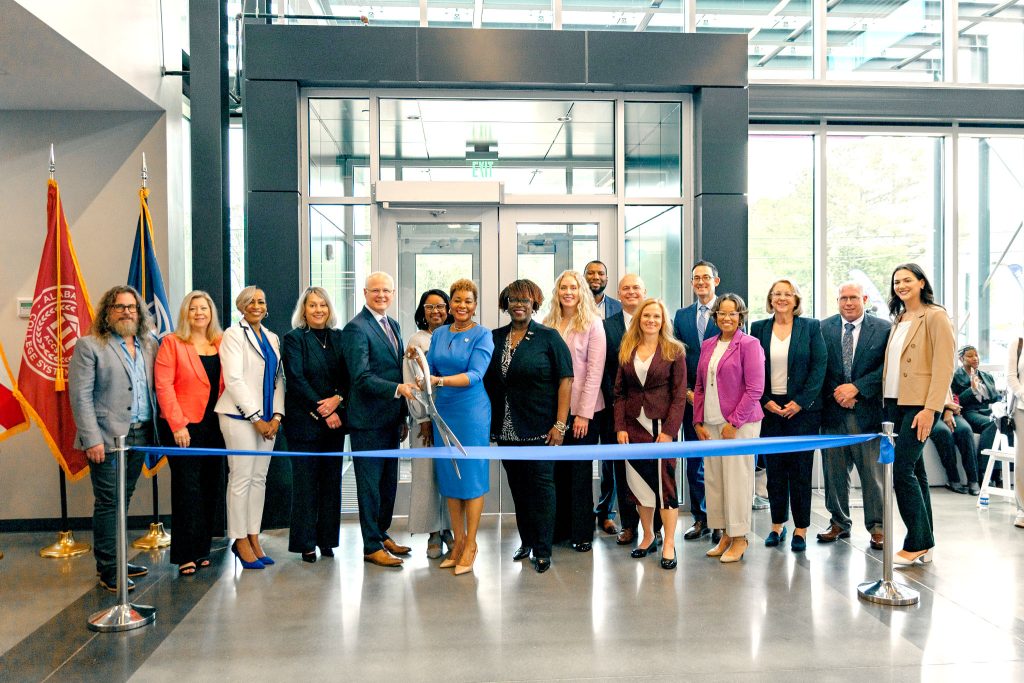
Together, we recently opened the Leidos Advanced Training Complex, a state-of-the-art facility dedicated to training the next generation of advanced manufacturing professionals. Located on Drake State’s campus in Huntsville, Alabama, programs in this training center will benefit from a $1.75 million Leidos investment, along with a Leidos-informed plan to meet industry needs. What we’ve built is more than a building. This collaboration redefines what’s possible, building a workforce not only prepared for today’s challenges, but also equipped to lead tomorrow’s breakthroughs.
Meeting a Growing Need
From aerospace systems to precision machining, the demand for advanced manufacturing talent is only accelerating. Across the country, particularly in North Alabama, companies are actively seeking skilled talent to fill a growing number of technical roles in advanced manufacturing. The skills gap isn’t just a workforce issue; it’s an economic one. Without a steady flow of qualified workers, innovation stalls, and growth slows.
Drake State and Leidos both recognized this challenge as an opportunity. As an institution serving Madison and Morgan counties, Drake State plays a vital role in creating pathways to high-wage careers for individuals in North Alabama. At the same time, Leidos depends on a strong, local talent pipeline to meet the demands of national defense and technology customers.
By working together, we can ensure that the education students receive is relevant, rigorous, and immediately applicable in today’s workforce.
A Facility Designed for Industry-Driven Training
The Leidos Advanced Training Complex now houses Drake State’s advanced manufacturing programs, including Precision Machining, Welding, and Engineering Design. With high-tech labs, hands-on learning environments, and industry-grade equipment, students train in spaces that mirror the real-world settings they’ll enter after graduation.
For Leidos, this investment is about long-term impact. Supporting a facility like this ensures that the future workforce is equipped with not only the technical know-how but also with the problem-solving mindset and adaptability that today’s industries require.
The Strength of Partnership
Our work together is about more than just a building. Leidos provides valuable insight into the skills needed by the workforce today, and in the years to come. This guidance helps shape the curriculum and equipment choices for the programs housed in the training center.
The partnership also opens doors for future collaboration, from guest lectures and mentorship opportunities to potential internships and job placements. It’s a full-circle approach—where students, educators, and employers are in continuous dialogue to ensure programs stay agile and impactful.
This partnership is not only strategic but replicable. We believe other companies and colleges can learn from this model—one built on mutual respect, shared investment, and a long-term vision for workforce excellence.
Creating Opportunity, Driving Innovation
The Leidos Advanced Training Complex will help transform lives by connecting students to in-demand careers in industries that are shaping our future. It will also help companies like Leidos and others across North Alabama find the talent they need to continue innovating at the highest levels.
This work is about creating opportunities that uplift individuals, strengthen communities, and drive economic mobility. It’s also about ensuring that today’s investments in education create tomorrow’s breakthroughs in technology and manufacturing.