


SPEAKIN’ OUT NEWS
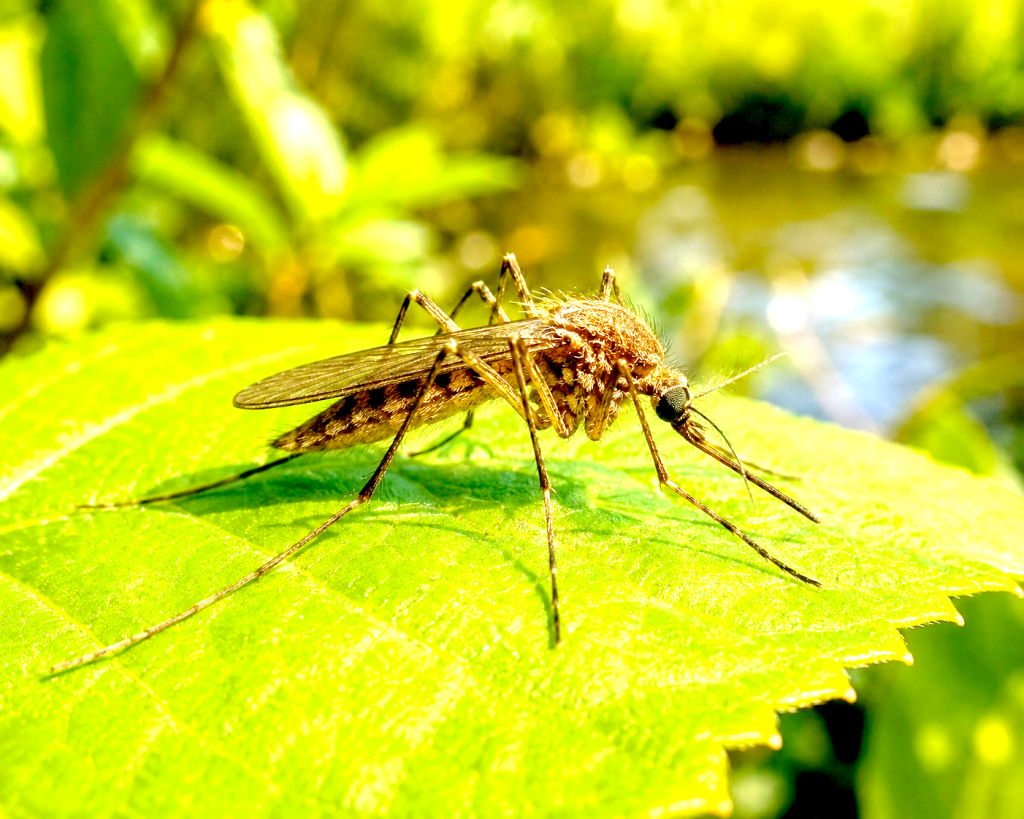
MONTGOMERY, Ala. — The Alabama Department of Public Health is warning residents that mosquito activity and the threat of mosquito-borne illnesses remain concerns during late summer and early fall.
Recent state surveillance has detected West Nile virus activity in both humans and animals. On Aug. 27, the Mobile County Health Department reported that a sentinel chicken tested positive for West Nile virus. Alabama has also confirmed one human case of La Crosse virus and one case of Eastern equine encephalitis in a horse.
West Nile virus is primarily transmitted through mosquitoes that become infected after feeding on birds. Most infected people never experience symptoms. Those who become ill may develop fever, headache, body aches, nausea, vomiting, or a rash.
In rare cases, West Nile virus can cause serious neurological illness, including inflammation of the brain or surrounding tissues. Older adults and people with weakened immune systems may face greater risk of severe complications.
Health officials recommend using an EPA-registered insect repellent containing DEET, picaridin, IR3535, or oil of lemon eucalyptus. Residents should also wear long sleeves and pants when practical, repair damaged window screens, and limit outdoor exposure around dawn and dusk, when some mosquitoes are most active.
Families are encouraged to remove standing water from buckets, flowerpots, tires, toys, gutters, birdbaths and pet bowls. Even small containers can provide breeding areas for mosquitoes.
Horse owners should consult their veterinarians about West Nile virus and Eastern equine encephalitis vaccinations and watch for fever, weakness, tremors, staggering, seizures, or loss of coordination.
Anyone who develops concerning symptoms after mosquito exposure should contact a healthcare provider. Preventive measures should continue throughout the early fall, even as temperatures begin to decline.