


By SPEAKIN’ OUT NEWS
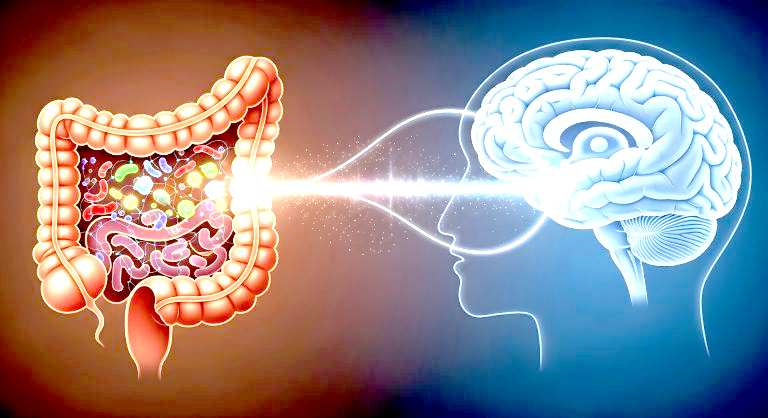
Your stomach may play a much bigger role in memory than scientists once believed. New research from the University of Southern California suggests that communication between the gut and the brain helps form memories—especially those connected to food.
The study, published in Nature Communications, examined the vagus nerve, a major pathway that carries signals between the digestive system and the brain. Researchers discovered that after rats ate nutritious foods, the vagus nerve triggered the release of acetylcholine, a chemical that helps the brain store new memories in the hippocampus, the region responsible for learning and memory.
When researchers blocked communication through the vagus nerve, the animals struggled to remember where they had previously found food, suggesting that healthy gut-brain signaling is essential for memory formation.
Interestingly, the brain responded to the nutritional value of food—not just its taste. Foods rich in fats and sugars produced strong memory signals, while sweet-tasting drinks with little or no calories did not have the same effect.
However, the study also delivered a warning. Rats fed a long-term diet high in fat and sugar eventually developed weaker gut-brain communication and poorer memory performance. Even after switching back to healthier foods, some of the memory deficits remained.
Scientists say the findings could eventually help researchers better understand cognitive decline, Alzheimer’s disease and other neurological disorders. Future therapies that improve gut health or stimulate the vagus nerve may one day help preserve memory.
While additional research is needed to determine whether the same process occurs in humans, the study adds to growing evidence that a healthy digestive system may be just as important for the brain as it is for the body.