


by SPEAKIN’ OUT NEWS
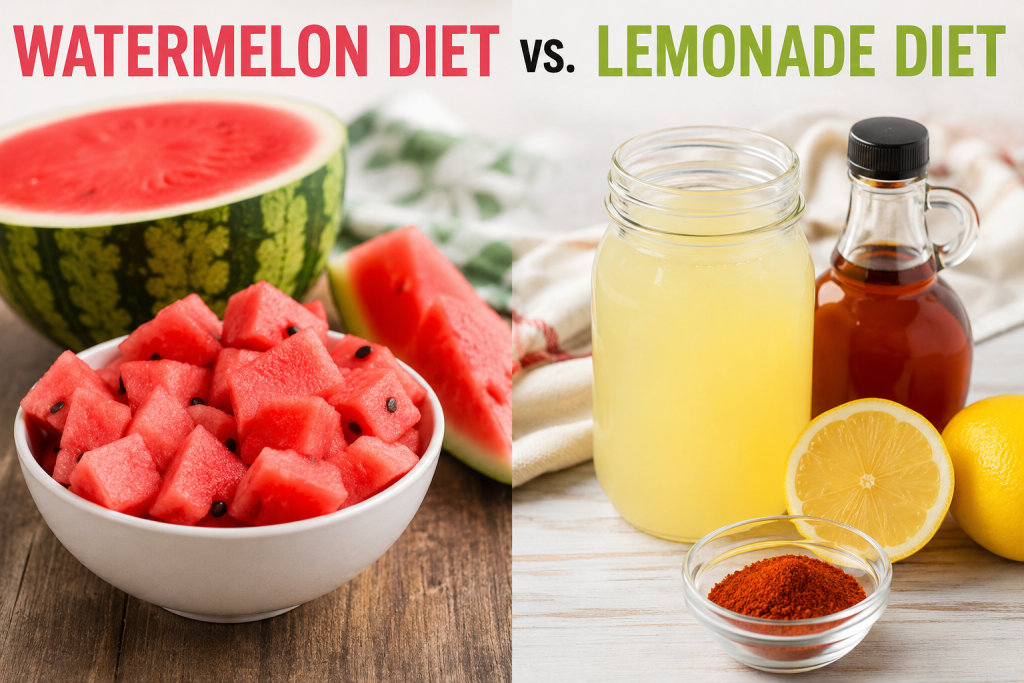
As temperatures rise and swimsuit season approaches, many people are turning to quick-fix diets in hopes of shedding pounds fast. Two of the most talked-about trends are the watermelon diet and the lemonade cleanse, but health experts say neither should be viewed as a long-term solution.
The watermelon diet typically involves eating mostly watermelon for one to three days. Supporters say the fruit helps flush excess water from the body and promotes hydration. Watermelon is more than 90% water and contains vitamins A and C, making it a refreshing summer snack.
For those trying the watermelon diet, experts suggest keeping it short — usually one to three days — and not treating it as a full meal plan. A common approach is eating about 6 to 10 cups of watermelon throughout the day while drinking plenty of water. After that, people should return to balanced meals with lean protein, vegetables, whole grains, and healthy fats.
The lemonade cleanse, also known as the Master Cleanse, is even more restrictive. The diet usually replaces meals with a mixture of lemonade, maple syrup, water, and cayenne pepper. While some people experience rapid weight loss, much of it is water weight rather than fat loss.
Experts warn that restrictive cleanses can lead to fatigue, headaches, dizziness, and nutrient deficiencies. The body already has built-in detoxification systems through the liver and kidneys, making extreme cleanses unnecessary for most healthy people.
For those looking to improve their health this summer, watermelon can be a healthy addition to a balanced diet, but sustainable habits remain the safest path to long-term wellness.