

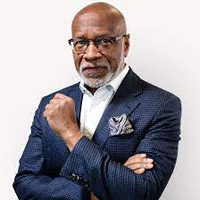
By Roy S. Johnson, Pulitzer Prize finalist in Commentary, opinion journalist Columnist for the Alabama Media Group/AL.com
What will they say?
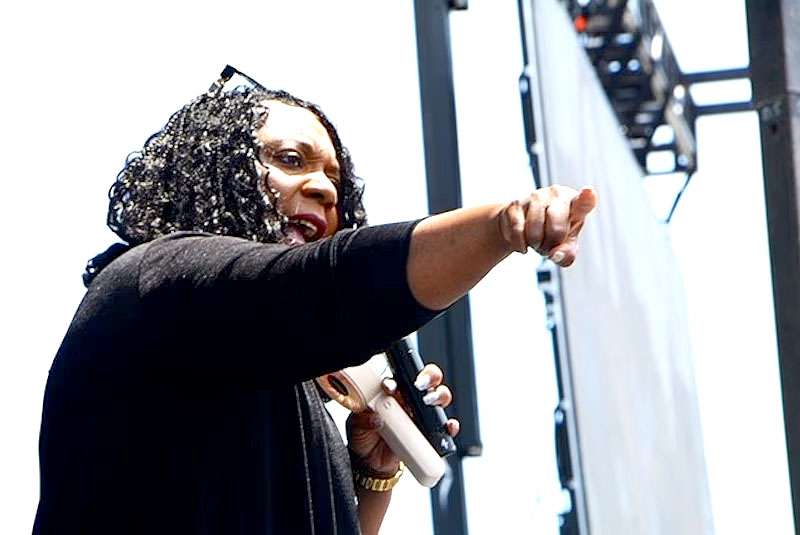
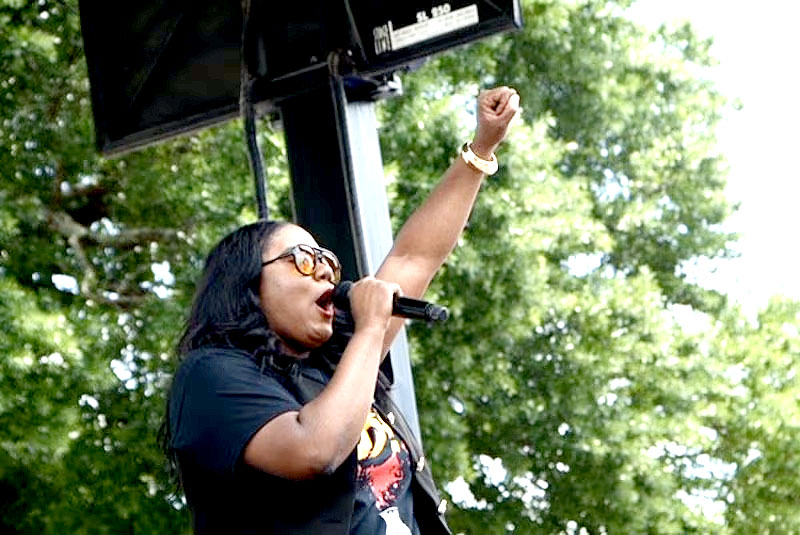
What will they say about that Saturday in May when hundreds prayed and marched across the Edmund Pettus Bridge, when thousands later gathered in front of the Alabama State House in Montgomery?
The crowds denounced Republican efforts to take us back, to shred the Voting Rights Act. To erase Black representation in Congress, to spit on a democracy crafted with the blood, toil and tears of our elders and ancestors.
What will they say? What will they say about a call answered on that day by common folk and elected folk, by Black and white, by young and seasoned, by able and wheelchair bound, by people from nearly every state south of the Mason-Dixon boundary and many far north of it?
What will they say about a call — an altar call, organizers told us — convened where Alabama Republicans are trying to delete the two Black Democrats from its seven-member congressional contingent using district maps deemed racist three years ago by the Supreme Court?
What will they say about a good ole southern (Blackish) revival held a block from the first Capitol of the Confederacy?
Lordy, what will they say?
I don’t mean what will we say, those of us who were there. Those who withstood the heat of the very long day, and prayed for those overcome by it. Those who gathered in what was said to be about 100 other locations around the nation and bellowed the call: We won’t go back.
I don’t mean, either, what will Republicans say. They still claim their desperate, weak-kneed ramrod redistricting and gerrymandering just ahead of midterms isn’t about diminishing Black voting power. They still claim it isn’t about race (bless their hearts). Some of them even claim we’d all be better off if they represented us.
I don’t give a damn what they’ll say.
What is ultimately said about this Saturday in May won’t be said anytime soon. The final words, the assessment, won’t be scripted for some time. Until its impact manifests. Or fizzles.
Until we see whether the fire Republicans in Alabama, Tennessee, Texas, South Carolina and other states lit with their brazen map-rigging was doused or fanned on that stage in front of the state house.
Whether that sweltering Saturday in May becomes a firewall of grassroots voter education, organization and mobilization. Whether the efforts of the day’s leaders – Black Voters Matter – and others move young voters to actually vote — like they did when Barack Obama was on the ballot a half-generation ago.
Or whether it withered without a movement-to-mobilization strategy and directive?
Whether the day launches a raging voter firestorm on Tuesday, then again in August (TBD, per the federal court) and most certainly in November. And in 2028.
Or whether it cools and fails to deliver — even when the future of our democracy is on the ballot.
What will they say?
I won’t try to predict the future, but will say this: That sweltering Saturday in May mattered.
It wasn’t perfect — heck, the thing came together in less than a week. But it was momentous.
It was a rare day outside of a political party’s quadrennial convention when national, state and local elected officials from around the nation, passionate community organizers from around the nation, and the rest of us from around the nation all stood together.
It was a rare day when the call was clear: Representation matters, and it can only be claimed by the voters choosing elected officials. Not the other way around.
I will say this, too: They may look back on that Saturday in May and call it the day when the South rose again — and it was Black.
When Black people who built the South — whose ancestors tilled, nourished and harvested it with their lives — stood boldly on the steps of the Confederacy and reclaimed it. Reclaimed it in Georgia. Reclaimed it in Tennessee. Reclaimed it in Texas. Reclaimed it in South Carolina. Reclaimed it in Florida. Reclaimed it in Alabama.
Call it a reverse migration, of a sort.
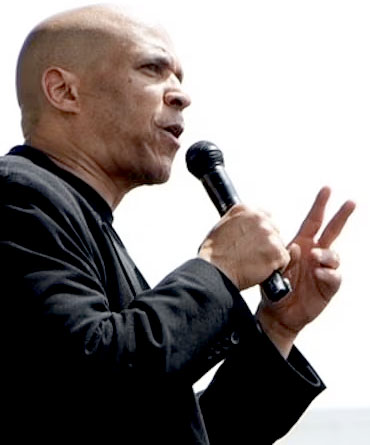
“We are,” said U.S. Rep. Anyanna Pressley, the first African American elected to Congress from Massachusetts, ‘the super-majority.”
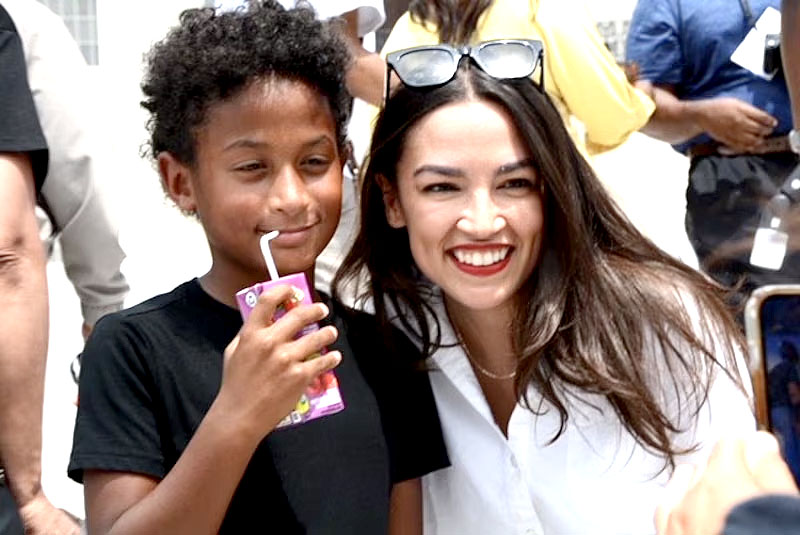
It was said so many times, in so many ways, from so many voices in the pulpit in Selma and on the stage in Montgomery. Including from a voice that’s emerged among the most resonant in the Democratic party: Rep. Alexandria Ocasio-Cortez.
“If you’re not from here, it’s time to pull up,” she said from behind protective bulletproof glass, a reminder of the sad times we’re in.