

By SPEAKIN’ OUT NEWS
TUSCALOOSA, Ala. — Alabama’s Senate Bill 129, now state law, is sparking legal challenges and cultural tension across public universities as it bans Diversity, Equity, and Inclusion (DEI) offices and restricts classroom teaching on “divisive concepts.”
Since its passage in March 2024 and implementation in October, SB 129 prohibits schools from funding programs or staff promoting DEI initiatives. It also forbids teaching that any race, gender, or religion is inherently superior or responsible for historical injustices.
University of Alabama faculty say the law is already altering how they teach. Internal guidelines have advised professors to approach topics like systemic racism and religious discrimination “objectively,” with administrators reviewing course materials for compliance.
Several courses have reportedly been modified or removed. A political science seminar was flagged after student complaints, leading faculty to revise its syllabus and limit course materials on institutional bias.
Critics argue that the law’s vague language is creating a chilling effect on academic freedom, especially in disciplines dealing with religion, race, and gender. Students and professors also say support programs for underrepresented groups—including religious minorities—have been quietly dismantled or restructured.
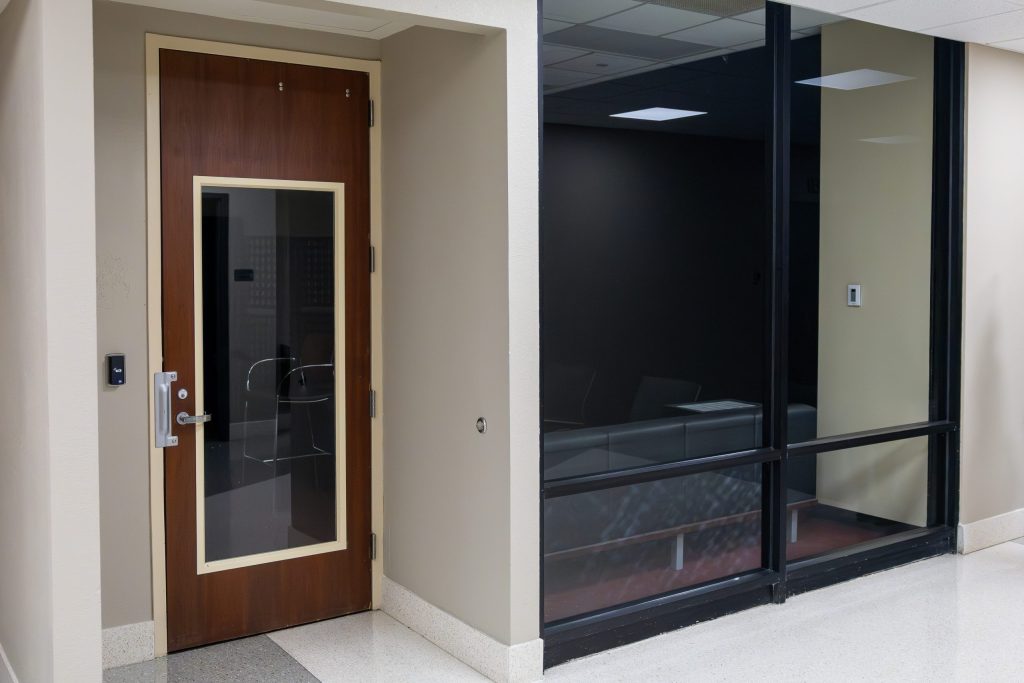
One major shift came when the Black Student Union’s space on campus was converted into a food pantry, a move students say symbolically erases cultural representation in favor of a non-political resource. While administrators say the pantry serves broader student needs, many view the change as a direct outcome of SB 129’s anti-DEI mandate.
Other affinity spaces, including LGBTQ+ centers and interfaith programming hubs, have been closed or defunded. Student groups say these losses have created confusion and isolation among minority populations.
In January 2025, a group of students and faculty filed a federal lawsuit claiming SB 129 violates First Amendment rights. Plaintiffs argue the law suppresses academic expression and disproportionately harms historically marginalized communities.
A federal judge in Birmingham is expected to rule on a preliminary injunction ahead of the fall semester. The decision could determine whether the law remains enforceable as litigation continues. Meanwhile, faculty are altering syllabi, students are self-censoring, and university culture is shifting. As the debate continues, Alabama’s colleges find themselves navigating a new—and uncertain—definition of inclusion