


By SPEAKIN’ OUT NEWS
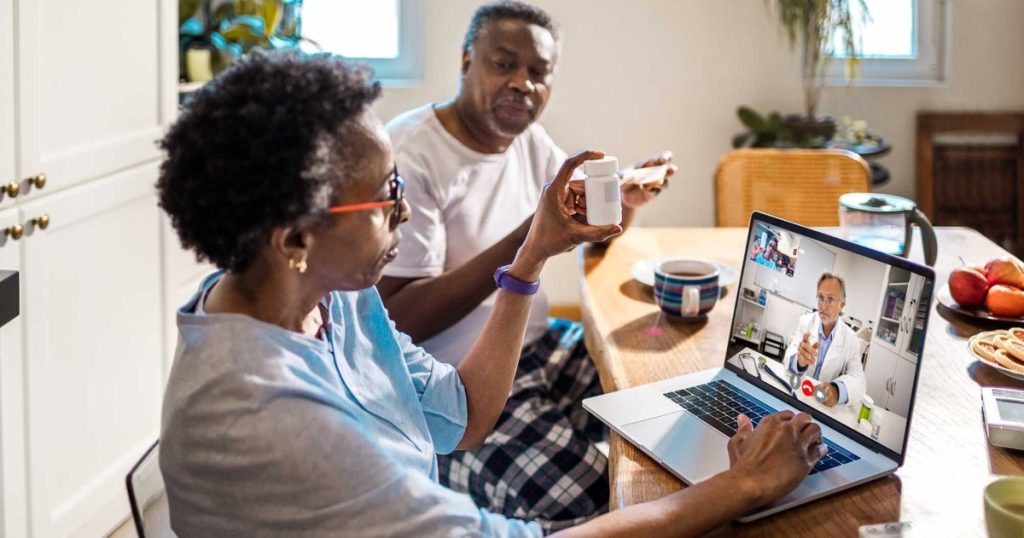
HUNTSVILLE, AL — Huntsville Hospital is helping close North Alabama’s mental health care gap with the launch of a new telemedicine program that allows patients to receive psychiatric and neurological care without leaving their communities.
Launched in February 2025, the initiative connects patients in rural areas with psychiatrists and neurologists using state-of-the-art telehealth carts equipped with high-definition cameras and reliable Wi-Fi connections. The system supports evaluations, medication management, and treatment planning—all virtually.
The program, currently active at Madison Hospital and Helen Keller Hospital in Sheffield, was made possible by over $1 million in state-awarded funds through the American Rescue Plan.
“This helps us reduce the burden on families who would otherwise have to travel long distances for care,” said Sara Werner, HH Health’s Telemedicine Program Manager. “It’s about keeping people closer to home and giving them the same level of care they’d receive at our main campus.”
Addressing a Crisis in Care
North Alabama has fewer than 75 licensed psychiatrists, with most based in Madison County. That shortage has left many in rural areas without timely access to behavioral health or stroke care. According to Huntsville Hospital, telemedicine is already proving effective for patients dealing with depression, anxiety, and stroke symptoms.
At Helen Keller Hospital, stroke patients now receive remote assessments from neurologists 75 miles away in real time. The telehealth carts, featuring 20x zoom capability, allow physicians to perform close examinations—such as checking pupil response—critical for stroke evaluations.
“The quality of care is nearly identical to an in-person visit,” Werner noted. “That’s our goal.”
Gradual, Sustainable Growth
Huntsville Hospital plans to expand the telemedicine program to other hospitals in the HH Health network, with future specialties potentially including pulmonology and cardiology. Werner emphasized the importance of thoughtful rollout.
“We’re growing gradually and learning from each launch,” she said. “We want this program to be sustainable long-term.”
Since its launch, the program has been well received by staff, patients, and community hospitals alike—marking a new chapter in healthcare equity for North Alabama.