


By Alexis Clark
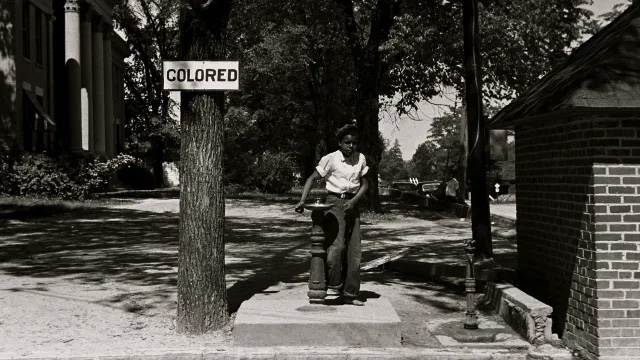
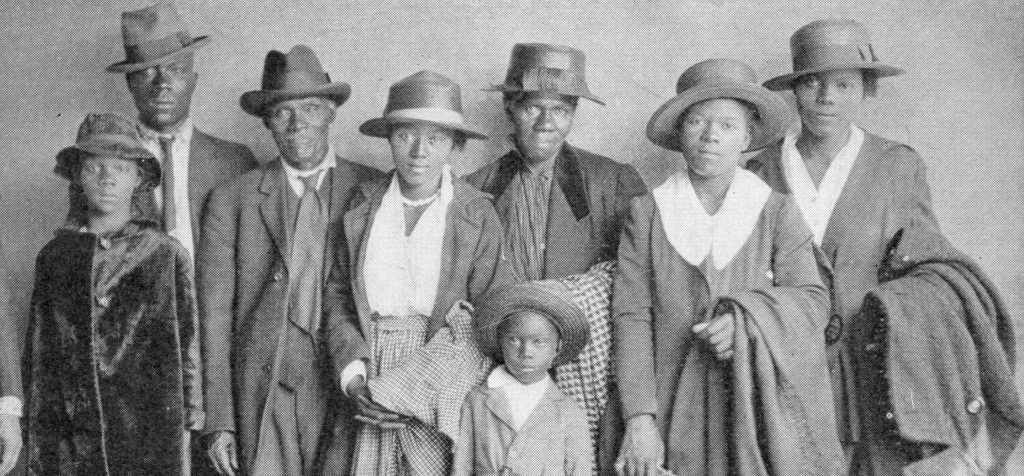

When more than six million African Americans left the South for better opportunities in the North and West, between 1916 and 1970, their relocation changed the demographic landscape of the United States and much of the agricultural labor force in the South. This decades-long, multi-generational movement of Black Americans, known as the Great Migration, impacted southern labor to such a degree that white landowners resorted to coercive tactics to keep African Americans from leaving.
After Reconstruction ended in 1877, Jim Crow segregation became the law across the South, restricting political, economic and social mobility of African Americans. According to The Warmth of Other Suns: The Epic Story of America’s Great Migration, a comprehensive history of the migration by Pulitzer Prize-winning writer Isabel Wilkerson, in 1900, nine out of every 10 Black Americans lived in the South, and three out of every four lived on farms. Despite a concerted effort by white southern landowners to make them stay, by 1970, nearly half of all African Americans, about 47 percent, would be living
outside of the South. Post-slavery, white southerners still depended on Black people as their main labor force. From picking cotton, working in rice plantations and tobacco fields, logging or serving as domestics, African Americans performed the same grueling tasks as they did while enslaved. And options for upward mobility under Jim Crow were bleak and dangerous. Black sharecroppers paid rent to live and work on the land of white planters, who took a percentage of their harvest and charged for seeds, tools and food, leaving Black sharecroppers in crippling debt. By law, sharecroppers could not leave the land until the debt was paid—effectively forcing them to stay.
But the fate of southern Black Americans changed in 1916 when news of better jobs and conditions up North started spreading in rural communities. Black newspapers, like The Chicago Defender, ran stories about opportunities for African Americans in steels mills and factories and encouraged them to leave the South.
Because white southerners could not afford to lose a cheap and subservient workforce, they attempted to cut off access to the Chicago Defender.
With a resurgence of the Ku Klux Klan in 1915— largely tied to the release of the film“ A Birth of a Na- tion” that depicted Black men as savages, and the economic gains of Black entrepreneurs that threatened the social order of white supremacy, violence against African Americans erupted across the United States. According to the Equal Justice Initiative, at least 4,075 African Americans were lynched across the South between 1870-1950.
Black Americans who fled racial oppression either returned to retrieve the rest of their family or sent train tickets back home.