

Millions take Ozempic, Wegovy and Zepbound. Now the FDA says the drugs may raise the risk of sudden vision loss in one eye
SPEAKIN’ OUT NEWS
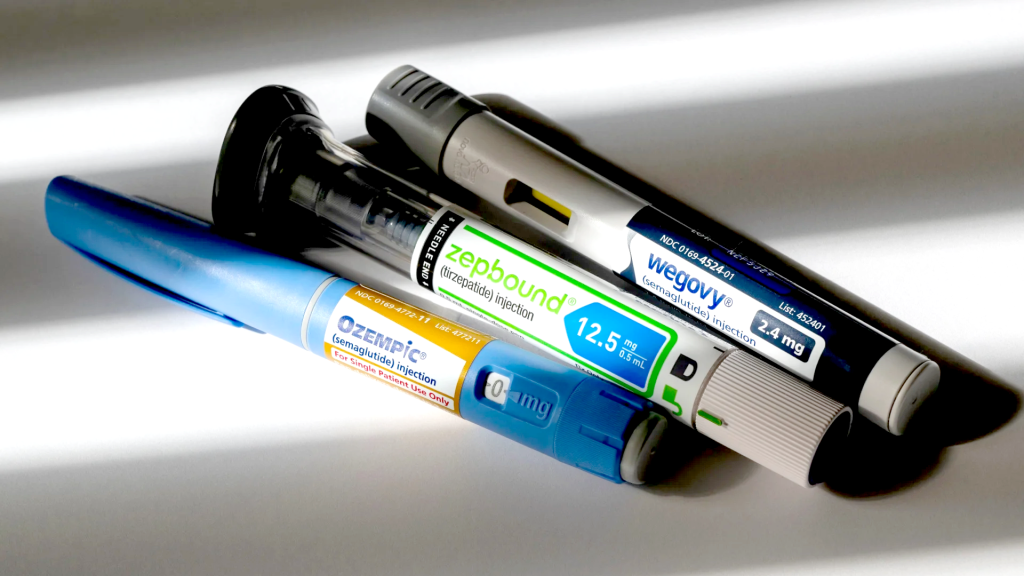
They were built to treat diabetes, then became America’s most talked-about weight-loss medicines. Now they carry a new warning.
On Nov. 9, the U.S. Food and Drug Administration ordered every GLP-1 drug label to warn of a rare eye condition that can cause sudden and sometimes permanent vision loss. For many North Alabama families, that news is personal.
GLP-1 drugs, including Ozempic, Wegovy, Mounjaro and Zepbound, mimic a natural gut hormone that helps control blood sugar and appetite. By late 2025, about one in eight U.S. adults said they were taking one, according to KFF.
The eye warning
The condition is called non-arteritic anterior ischemic optic neuropathy, or NAION. It happens when blood flow to the front of the optic nerve suddenly drops.
After pooling 126 clinical trials, the FDA found NAION occurred at a rate of 6.4 cases per 100,000 person-years among GLP-1 users, compared with 3.8 among people on a placebo or another diabetes drug.
The FDA also urged caution. NAION’s risk factors, including diabetes, high blood pressure, sleep apnea, kidney disease, anemia and smoking, are common among people who take these drugs, and animal studies did not show how the medicines could cause it.
What it means for Black Alabamians
Alabama had the highest adult obesity rate in the nation in 2025, at 39.7%, according to Trust for America’s Health. Among Black adults in Alabama, the rate is 49.2%, compared with 36.1% of white adults, according to CDC data.
About 20.4% of Black Alabama adults have diabetes, compared with 15.1% of all Alabama adults, according to America’s Health Rankings. NAION is most often seen in adults over 50, the same age group most likely to use GLP-1 drugs.
The Black Alabamians who may benefit most from these medicines also carry risk factors that make watching for warning signs important.
The American Optometric Association says the warning “should not cause unnecessary alarm,” but it recommends that people taking GLP-1 drugs get a baseline, in-person eye exam and follow-up eye care.
What to do
The warning covers both pills and shots. Call your doctor right away if you notice sudden, painless vision loss in one eye, often on waking; blurred or missing areas; faded colors; or hazy spots.
Do not stop your medicine on your own; talk with your doctor first. Keep up with yearly eye exams, and report side effects to FDA MedWatch at 1-800-FDA-1088.
Diane Wirth, a 66-year-old nurse practitioner from rural Georgia, woke up with vision loss in her right eye while taking Wegovy. “I woke up one morning and I was like, ‘What is wrong with my eye?’” she told TODAY in September.
Wirth is suing. It has not been confirmed that the drug caused her vision loss, and Novo Nordisk says the lawsuits are without merit.