

Federal regulators and 20 states accuse discount retailer of charging customers more at checkout than advertised on store shelves.
by SPEAKIN’ OUT NEWS
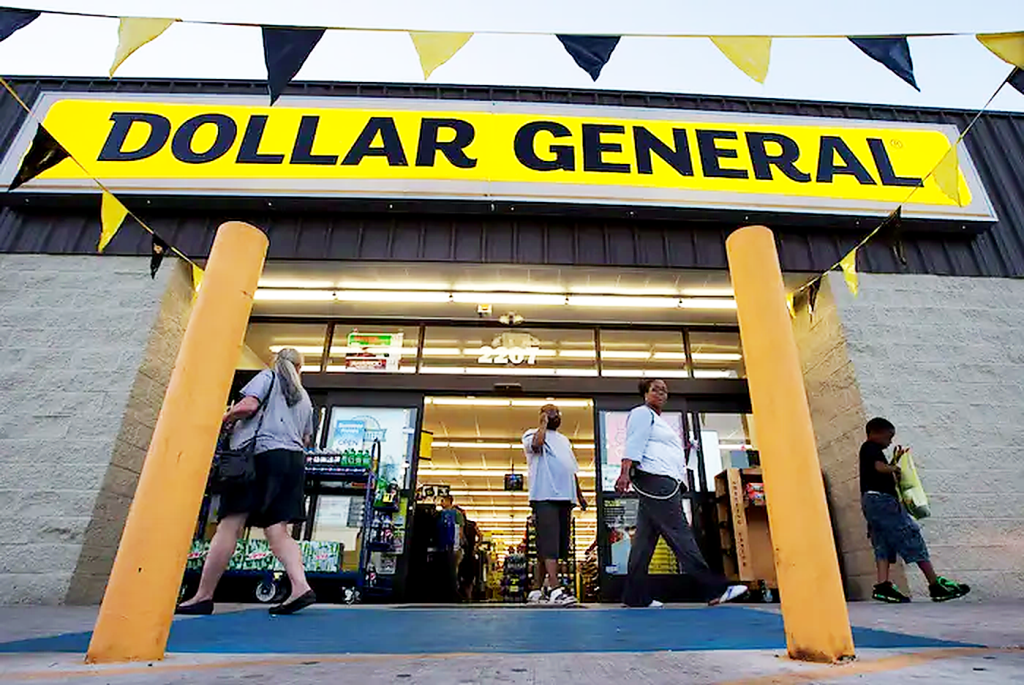
checkout than those displayed on store shelves and advertisements.
MONTGOMERY, Ala. — Alabama has joined 19 other states and the Federal Trade Commission (FTC) in a lawsuit accusing Dollar General of systematically overcharging customers by ringing up prices higher than those advertised on store shelves and promotional materials.
The lawsuit, filed October 26, 2026, in the U.S. District Court for the Middle District of Tennessee, alleges the discount retailer engaged in years of deceptive pricing practices that cost American consumers millions of dollars.
Federal regulators contend that Dollar General repeatedly failed to correct pricing discrepancies despite receiving thousands of customer complaints and having extensive knowledge of the problem.
According to the FTC, the company received tens of thousands of complaints nationwide from shoppers who reported paying more at checkout than the prices displayed on shelves.
The allegations raise particular concerns for low-income households, seniors and families living on fixed budgets who depend on discount retailers for groceries, cleaning supplies and other household necessities.
Dollar General operates more than 21,000 stores nationwide, including locations serving rural and underserved communities across Alabama.
Christopher Mufarrige, director of the FTC’s Bureau of Consumer Protection, accused the retailer of betraying consumer trust and causing financial harm to families already struggling to make ends meet.
The lawsuit alleges violations of federal consumer protection laws, including the FTC Act and the Gramm-Leach-Bliley Act, as well as applicable state laws.
Dollar General disputes the allegations of deliberate misconduct. In an October 26 statement, the company said occasional pricing discrepancies can occur despite its policies and that employees are expected to correct errors when identified.
The retailer also said it has strengthened its pricing procedures and intends to defend itself against the lawsuit.
For Alabama shoppers, the case highlights the importance of checking receipts, comparing shelf prices with register totals and reporting discrepancies before leaving stores.
Consumers who believe they have experienced deceptive pricing practices can submit complaints through the FTC’s consumer reporting website.
The lawsuit remains pending, and the allegations have not been proven in court.