

State revenues exceed expectations as lawmakers confront rising healthcare, education, and public service costs.
by SPEAKIN’ OUT NEWS
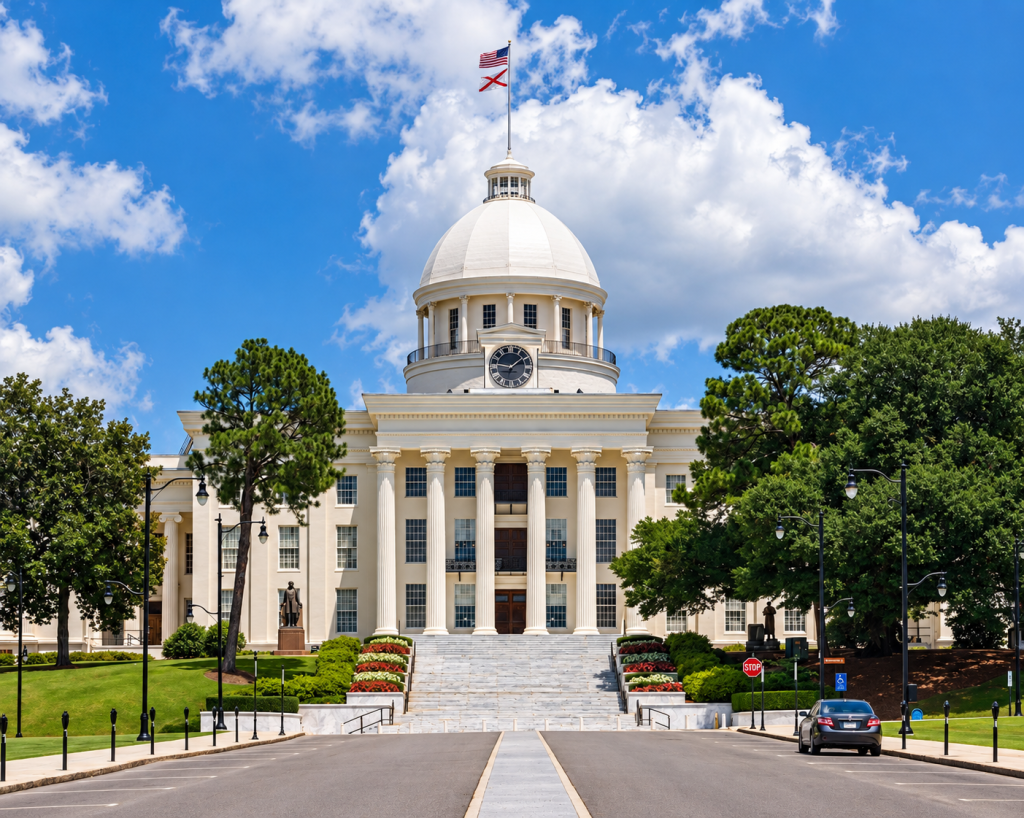
MONTGOMERY, Ala. — Alabama ended its 2026 fiscal year with stronger-than-expected financial balances, but growing expenses could create challenges for lawmakers preparing the state’s next budget.
According to Alabama Public Television’s Capitol Journal, the state’s General Fund closed September with a preliminary cash balance of approximately $471.1 million, exceeding earlier projections by $161 million.
General Fund tax collections reached $3.72 billion, representing a 3.9% increase over fiscal 2025.
Meanwhile, the Education Trust Fund reported a preliminary year-end balance of approximately $1.06 billion before required transfers into reserve accounts.
However, education tax collections increased just 0.4%, reaching $10.97 billion.
State budget official Kirk Fulford warned that rising costs involving Medicaid, the Supplemental Nutrition Assistance Program (SNAP), ALL Kids children’s healthcare coverage and state employee insurance could strain available resources.
These financial pressures could affect Alabama families who depend on public healthcare, education and assistance programs.
Lawmakers must also address funding needs involving corrections, infrastructure and other essential state services.
For North Alabama, where population growth continues creating demand for schools, healthcare facilities and public services, state budget decisions carry significant consequences.
Although Alabama’s financial position remains stable, officials caution that available revenue may not cover every emerging obligation.
The Education Trust Fund’s reserve requirements also limit how much of its remaining balance lawmakers can immediately spend.
As Alabama prepares for another budget cycle, lawmakers face a critical challenge: maintaining fiscal stability while meeting growing public needs and protecting essential services for residents across the state.