


SPEAKIN’ OUT NEWS
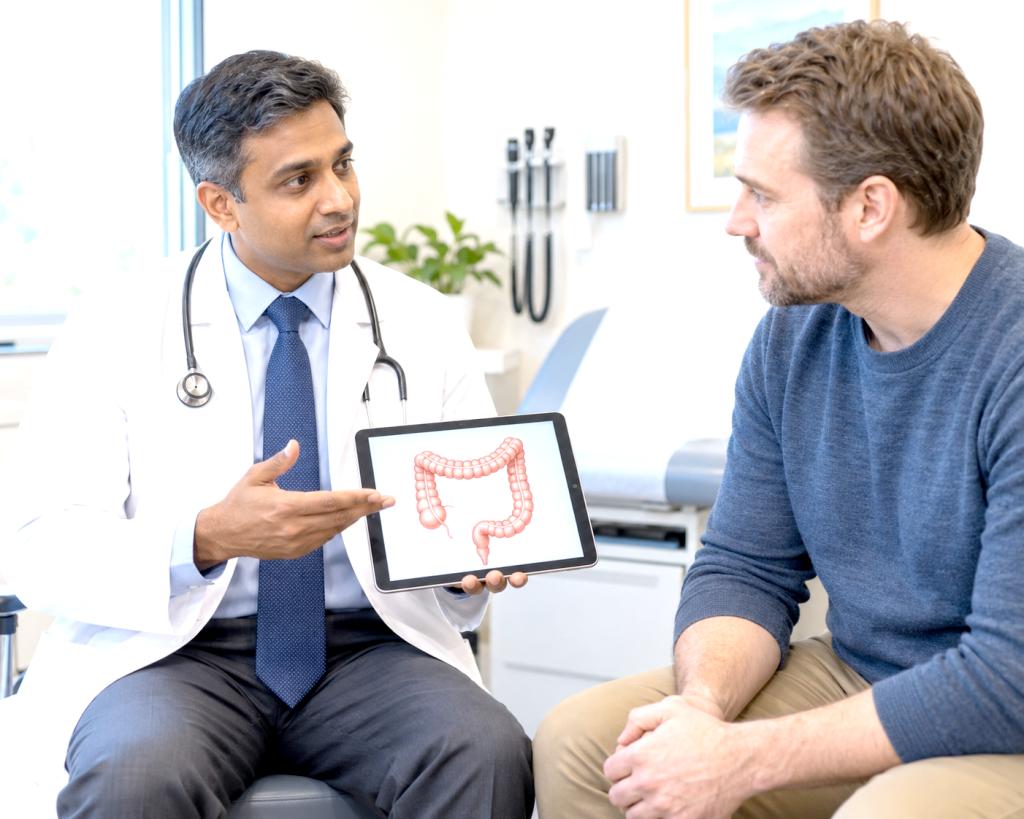
Colorectal cancer is increasingly being diagnosed among younger adults, while Black Americans continue to experience disproportionately high incidence and death rates. Health authorities say timely screening can prevent some cancers and detect others when treatment is more effective.
The disease frequently begins with abnormal growths called polyps in the colon or rectum. Screening can identify and remove certain polyps before they become cancer.
Updated 2026 guidance from the American Cancer Society reaffirms that adults at average risk should begin colorectal-cancer screening at age 45 and continue through age 75 when life expectancy exceeds 10 years. People with a family history, inflammatory bowel disease, previous polyps or certain inherited conditions may need earlier or more frequent testing.
Available screening methods include colonoscopy and at-home stool tests. An abnormal stool or blood-based screening result generally requires a follow-up colonoscopy. Patients should speak with their healthcare providers about which method and schedule are appropriate.
Possible warning signs include blood in the stool, persistent changes in bowel habits, abdominal pain, unexplained weight loss, weakness and iron-deficiency anemia. These symptoms do not automatically mean cancer, but they should not be ignored—regardless of age.
Diet and lifestyle may influence risk, although no food guarantees prevention. Maintaining a healthy weight, remaining physically active, avoiding tobacco, limiting alcohol and processed meat, and eating more vegetables, fruit, beans and whole grains may support colorectal health.
Screening should occur before symptoms begin. According to the CDC, approximately two-thirds of adults ages 45–49 had never been screened in the data analyzed for a recent study.
For Black families, discussing colon health openly could be lifesaving. Embarrassment should never become a barrier to early detection.