


SPEAKIN’ OUT NEWS
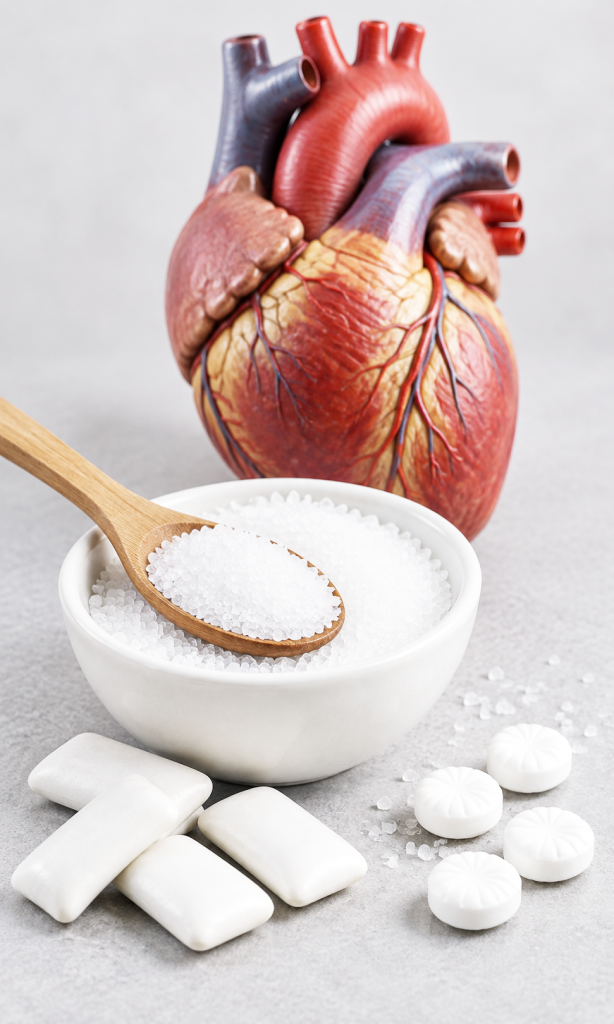
Xylitol, a low-calorie sweetener commonly found in sugar-free gum, candy, baked products and oral-care products, is facing renewed scrutiny following research presented at the European Society of Cardiology Congress.
Researchers examined information from 17,710 participants in two long-running population studies. People with the highest blood concentrations of xylitol experienced more major cardiovascular events—including heart attacks, strokes and cardiovascular deaths—than participants with lower concentrations.
The reported association remained after researchers accounted for several established risk factors. However, the findings do not prove that eating xylitol caused cardiovascular disease.
That distinction is important because the human body naturally produces some xylitol. High blood levels could reflect differences in metabolism or existing health conditions rather than the amount consumed in food. The research was observational, and dietary intake was not the only possible source of the measured xylitol.
The findings therefore should not prompt panic or lead patients to abandon medically necessary dietary plans. They do support additional research, particularly among people already facing elevated cardiovascular risk.
Consumers who want to limit xylitol can check ingredient lists on sugar-free products. Xylitol may also appear in toothpaste, mouthwash, cough drops, vitamins and dietary supplements. People should not substitute ordinary sugar automatically, because excessive added sugar carries established risks involving weight, diabetes and heart health.
Black adults experience a disproportionate burden from hypertension, stroke and cardiovascular disease. Questions about sweeteners should be considered as one part of a broader heart-health plan that includes blood-pressure control, physical activity, sleep, tobacco avoidance and appropriate medical care.
For now, the responsible message is moderation—not alarm. One study has raised an important question, but it has not delivered a final verdict on xylitol.