


By SPEAKIN’ OUT NEWS
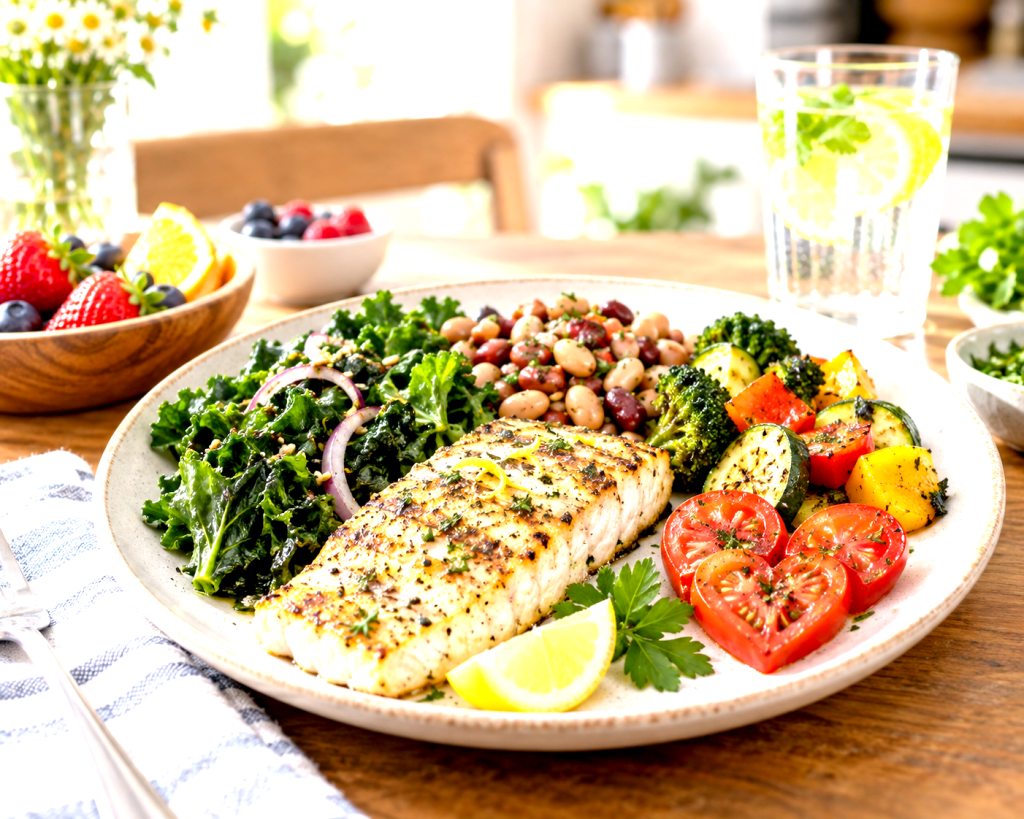
Researchers are studying whether supplying nutritious food—not merely advising patients what to eat—can improve recovery after hospitalization for heart failure. Recent trials show both the potential and limitations of this developing “food is medicine” approach.
In a randomized Dallas study published in JAMA Cardiology, 150 recently hospitalized heart-failure patients received medically tailored meals, fresh produce or usual care. More than half were experiencing food insecurity.
Food delivery proved feasible and well accepted, with participants reporting that they ate the provided food regularly. Fresh produce received higher satisfaction scores than prepared meals. However, the intervention did not reduce the study’s primary outcome: heart-failure hospital readmissions or emergency-department visits during 90 days.
A separate randomized study involving 206 Navajo Nation adults reported more encouraging results. Participants receiving eight weeks of culturally and medically tailored traditional meals experienced fewer hospitalizations or emergency visits than people receiving usual care. They also recorded improvements in blood pressure, weight and diet quality, according to the American Heart Association.
The different results demonstrate why researchers must determine which programs work, for which patients and under what circumstances.
The issue carries special importance for Black communities, where heart failure, hypertension and food insecurity can intersect. A physician may recommend limiting sodium, yet that advice can be difficult to follow when healthy groceries are unaffordable or unavailable nearby.
Food should not replace prescribed heart-failure medication or medical monitoring. Nevertheless, access to nutritious meals may become a valuable part of care when paired with treatment.
The emerging lesson is straightforward: doctors can tell patients what to eat, but prevention becomes more realistic when families can obtain the recommended food.