

SPEAKIN’ OUT NEWS
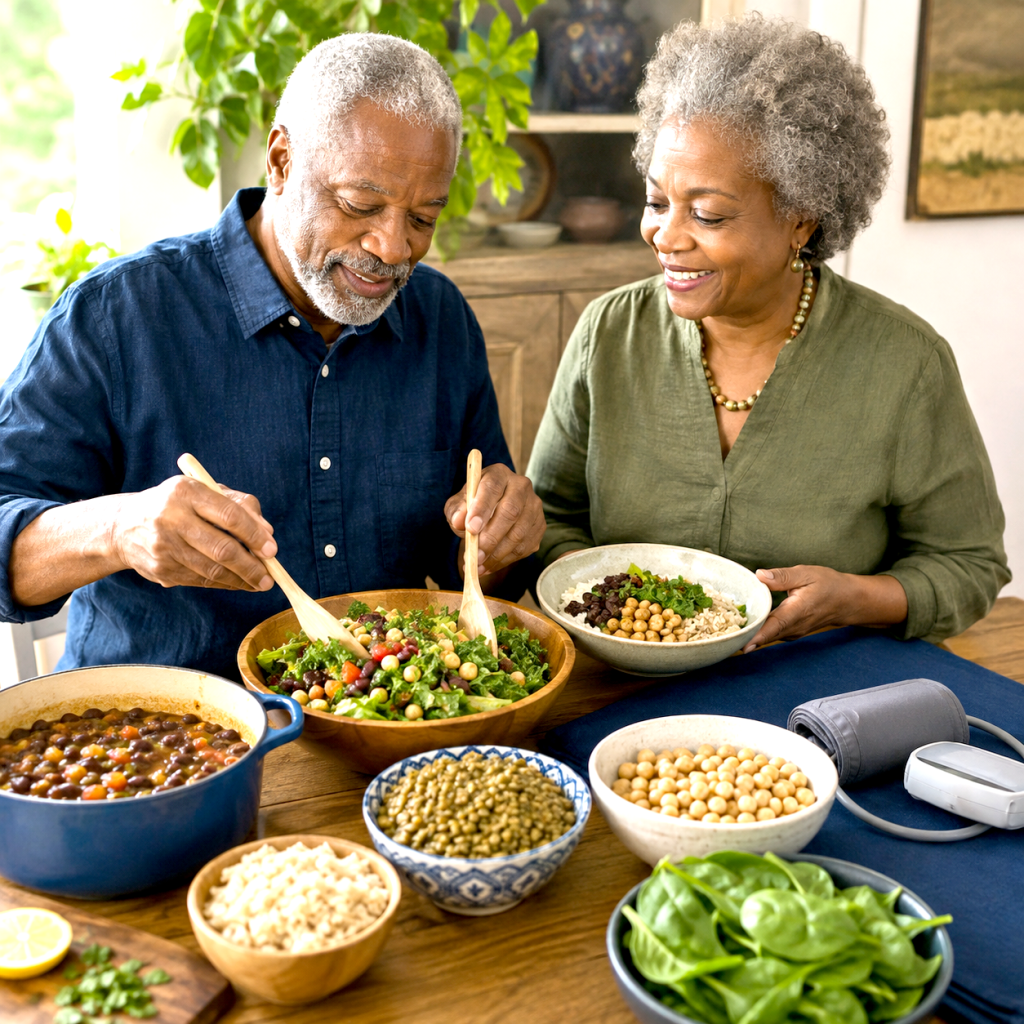
An affordable food already familiar to many Southern families may provide meaningful support in the fight against high blood pressure.
Cardiologists interviewed by Prevention identified legumes—including black beans, lentils, chickpeas and peas—as a particularly helpful choice. These foods contain fiber, potassium and magnesium, nutrients associated with cardiovascular health and blood-pressure regulation.
A recent meta-analysis published in BMJ Nutrition, Prevention & Health connected eating one cup of cooked legumes daily with a 30 percent lower risk of developing hypertension. Eating approximately one-half cup was associated with a 14 percent lower risk.
Those results show an association and do not prove that beans alone prevent or cure high blood pressure. A person’s overall diet, physical activity, body weight, genetics, medication use, and access to healthcare can all influence blood-pressure levels.
Potassium helps the body counterbalance some effects of sodium, while fiber supports heart and digestive health. However, canned beans can contain substantial sodium. Draining and rinsing them—or selecting no-salt-added products—can make them a more heart-conscious choice.
Beans can be added to soups, salads, chili, brown rice, or vegetable dishes. Lentils and chickpeas can also replace some processed or high-fat meats while supplying plant protein.
People with chronic kidney disease or those taking medications that affect potassium should consult a healthcare professional before substantially increasing potassium-rich foods. Patients should never stop prescribed blood-pressure medication because of a dietary change.
No single miracle food cures hypertension. Still, regularly choosing legumes as part of a DASH- or Mediterranean-style eating pattern may give families an inexpensive and culturally familiar way to strengthen their diets and protect their hearts.