


By SPEAKIN’ OUT NEWS
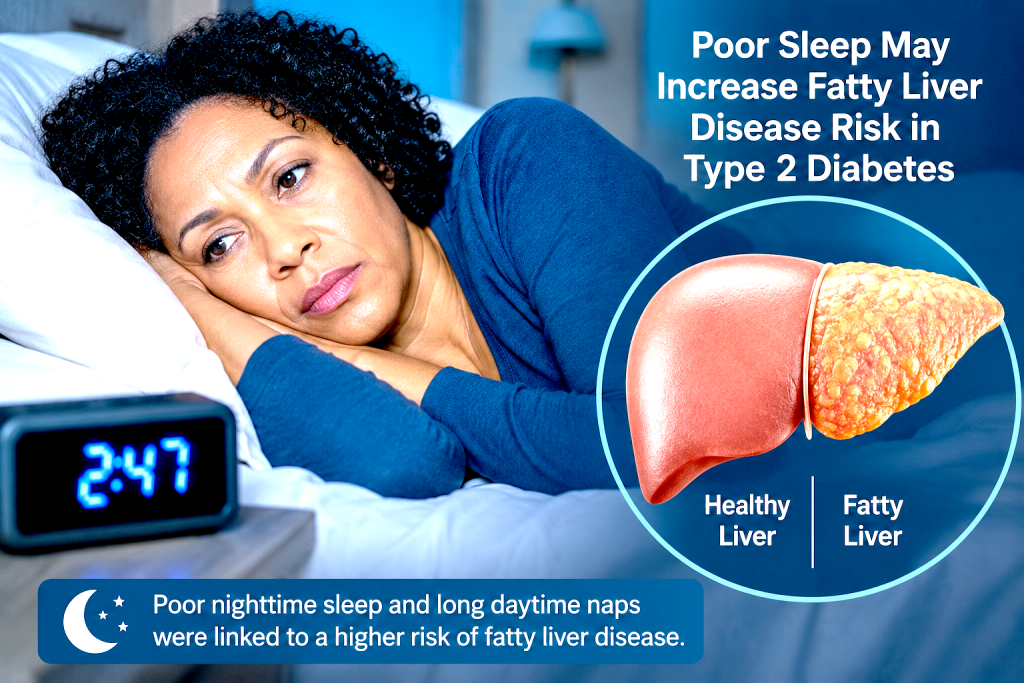
A new study suggests that getting too little quality sleep—or sleeping poorly at night—may significantly increase the risk of developing metabolic dysfunction-associated steatotic liver disease (MASLD), commonly known as fatty liver disease, in adults living with Type 2 diabetes.
Researchers from Wenzhou Medical University in China followed 1,900 adults with Type 2 diabetes for an average of 3.2 years. Their findings, published in Diabetology & Metabolic Syndrome, showed that people with poor nighttime sleep patterns were much more likely to develop MASLD than those who consistently slept well.
The study also found that long daytime naps lasting more than 30 minutes were linked to a higher risk of fatty liver disease, particularly when combined with poor nighttime sleep.
MASLD occurs when excess fat builds up in the liver due to metabolic conditions such as obesity and diabetes. Left untreated, it can lead to liver inflammation, scarring and, in severe cases, liver failure.
Researchers say sleep habits should be considered alongside other risk factors when caring for people with Type 2 diabetes. They believe early screening and lifestyle interventions—including improving sleep quality—could help reduce the risk or slow the progression of liver disease.
Health experts recommend maintaining a consistent sleep schedule, limiting caffeine late in the day, avoiding heavy meals before bedtime and aiming for seven to nine hours of quality sleep each night.
The findings highlight the growing importance of healthy sleep as part of diabetes management and overall liver health.
Source: Diabetology & Metabolic Syndrome.