


By SPEAKIN’ OUT NEWS
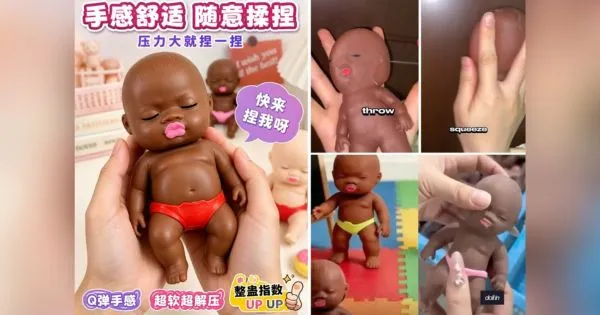
A controversial toy trend spreading across Chinese social media has sparked international criticism from activists, educators, and members of the Black community who say the product promotes harmful racial stereotypes.
The toy, known as “Natasha,” is a dark-skinned doll marketed as a stress-relief item. Users have shared videos on platforms such as RedNote and Douyin showing people squeezing, stretching, boiling, and stomping the doll. The toy is also sold through e-commerce sites including Taobao and is commonly made from soft memory foam or thermoplastic rubber, according to reports from Hong Kong Free Press.
Critics argue that the doll’s design and the way it is being used online are troubling because the figure resembles a Black child. Videos depicting physical abuse of the doll have generated widespread concern among Black residents, advocates, and business leaders living in Asia and abroad.
Several critics say the trend reflects a broader issue of racial insensitivity and the normalization of harmful stereotypes. They argue that repeatedly portraying a Black figure as an object to be mocked or mistreated can influence attitudes, particularly among children and young people who consume social media content daily.
Some schools and online platforms have reportedly restricted or removed content involving the doll, while advocacy groups continue to call for greater accountability from manufacturers, retailers, and social media companies.
The controversy has renewed discussions about race, cultural awareness, and the responsibility companies have when marketing products that may affect public perceptions of marginalized communities.
As debate continues, critics maintain that stress-relief products should not rely on imagery or themes that risk dehumanizing any racial or ethnic group. They say education and cultural understanding remain key to preventing similar controversies in the future.