


SPEAKIN’ OUT NEWS
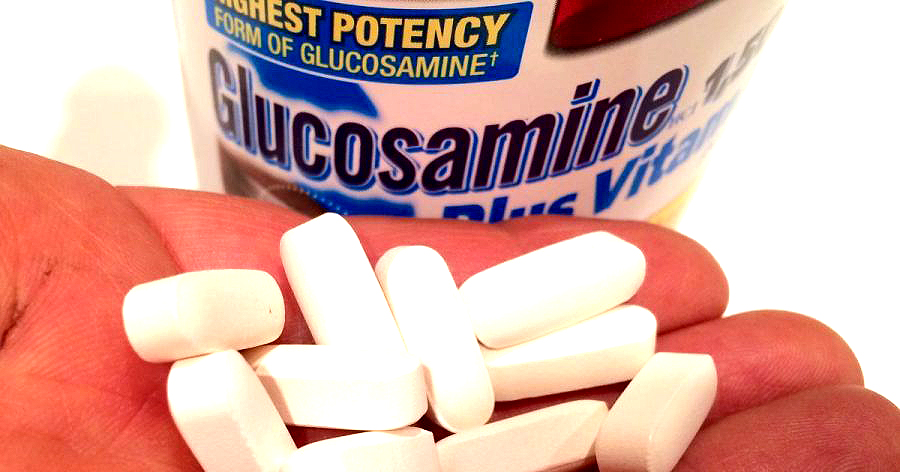
A dietary supplement used by millions of Americans for joint pain and arthritis may pose unexpected risks for people suffering from Alzheimer’s disease, according to a new study published in the journal Nature Metabolism.
Researchers found that people with Alzheimer’s disease who took glucosamine were 25% more likely to die within five years than those who did not use the supplement. The study also found troubling results for individuals in the earliest stages of cognitive decline.
“We found that glucosamine also affected people in the earliest stage of memory loss, a condition called mild cognitive impairment,” the researchers reported. “People in this early stage of dementia who were taking glucosamine were 25% more likely to progress to full Alzheimer’s.”
Glucosamine is a naturally occurring sugar molecule commonly sold over the counter to help relieve joint pain and symptoms of arthritis. More than 40 million Americans take glucosamine supplements each year, often believing them to be a safe and natural option for maintaining joint health.
The Food and Drug Administration classifies glucosamine as a dietary supplement rather than a prescription medication, meaning it can be purchased without a doctor’s approval. Glucosamine is an amino sugar made from glucose and an amino acid called glutamine. The body uses these compounds to help build and maintain tissues, including cartilage. Although glucosamine deficiency is not recognized as a medical condition, millions of people take the supplement based on reports that it may help support joint health and reduce arthritis-related pain, particularly in the knees.
The research analyzed anonymized medical records from the University of Florida Health system, examining approximately 24,000 patients diagnosed with dementia and 41,000 patients with mild cognitive impairment. Researchers compared health outcomes between those who used glucosamine and those who did not.
The findings surprised many scientists because glucosamine has long been viewed as a relatively low-risk supplement. While the study does not prove that glucosamine directly causes faster cognitive decline or increased mortality, it does suggest a strong association that warrants further investigation.
Researchers emphasized that patients and caregivers should not panic or discontinue medications without consulting their healthcare providers. Instead, they recommend discussing supplement use with physicians, especially for individuals diagnosed with Alzheimer’s disease, dementia, or memory-related disorders.
Alzheimer’s disease affects millions of Americans and remains the leading cause of dementia worldwide. Symptoms often begin with mild memory problems before progressing to significant cognitive impairment that affects daily living.
Scientists say additional research is needed to understand exactly how glucosamine may influence brain health and disease progression. Until more answers emerge, the study serves as a reminder that even widely used supplements can carry risks, particularly for vulnerable populations.