


By SPEAKIN’ OUT NEWS
Eating for better health does not require a new menu or expensive “superfoods.” Small changes to meals you already enjoy can add fiber, healthier fats, and more variety to your plate.
The American Heart Association’s 2026 dietary guidance emphasizes an overall pattern: more vegetables, fruit, and whole grains; healthy protein sources; and unsaturated fats in place of saturated fats. Try these five swaps at the grocery store or in your kitchen. newsroom.heart.org
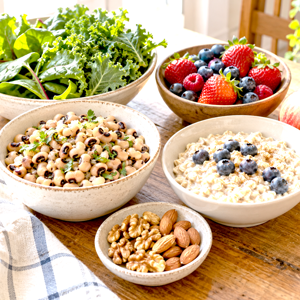
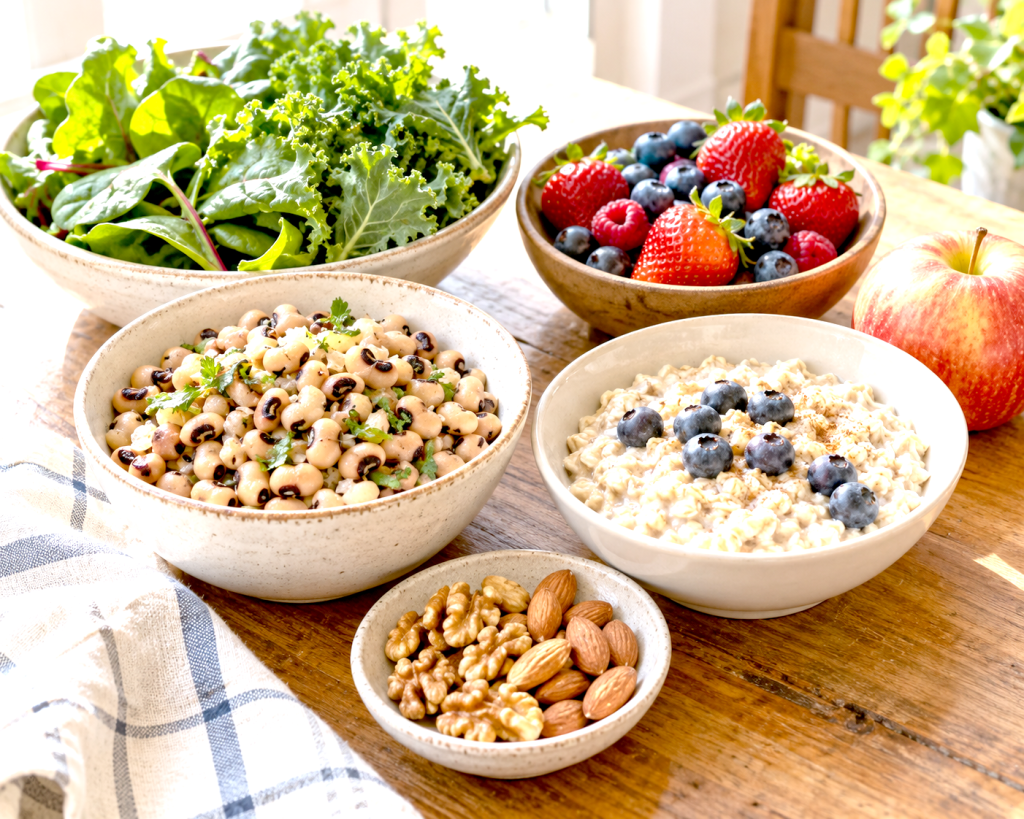
- Add beans to a familiar dish. Stir black-eyed peas, lentils, or pinto beans into soup for plant protein and fiber.
- Choose whole grains more often. Try oatmeal at breakfast or whole-grain bread instead of white bread.
- Trade a salty snack for unsalted nuts. A small handful of walnuts, almonds, or pecans brings satisfying crunch.
- Make room for greens. Add spinach or other greens to eggs, soup or a side dish you already cook.
- Keep fruit within reach. Fresh fruit is welcome, but frozen or canned fruit without added sugar can be convenient, too. heart.org
Start with one change that fits your budget and taste. If canned beans or vegetables are easiest, look for lower-sodium versions. Foods do not have to be fresh from a farmers’ market to contribute to a healthy meal.
No single swap guarantees a longer life. What matters is making nourishing choices regularly. A pot of beans, a bowl of oatmeal, or extra greens at dinner can be a practical place to begin.
Sources: American Heart Association, 2026 dietary guidance, healthy eating habits , and healthy eating facts.