


By SPEAKIN’ OUT NEWS
More than 60 years after civil rights leader Medgar Evers delivered a groundbreaking televised address calling for racial equality in Mississippi, historians are still searching for what may be one of the most significant missing recordings of the Civil Rights Movement.
Researchers say no known copy has been found of Evers’ 1963 speech, which aired on Jackson television station WLBT just weeks before he was assassinated outside his home on June 12, 1963.
According to research presented by Dr. Caroline Bayne of Millsaps College, Evers became the first Black Mississippian to deliver a televised message on the station after the Federal Communications Commission required WLBT to provide equal airtime to civil rights advocates.
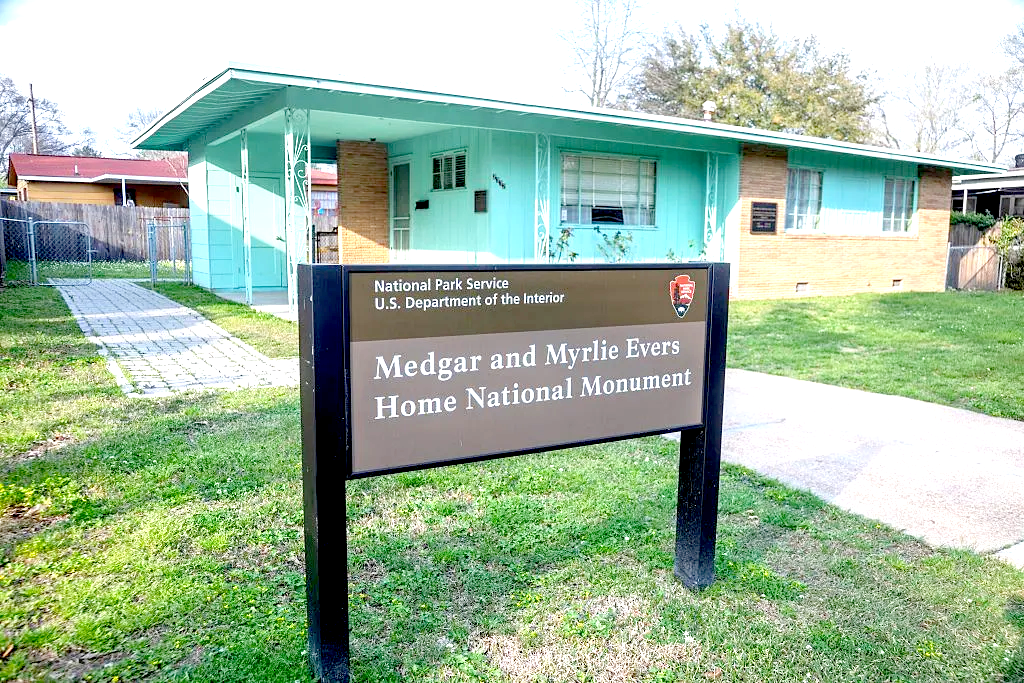
In the address, Evers condemned segregation and called for equal rights for Black Mississippians. The broadcast reportedly triggered death threats against him. One month later, the NAACP field secretary was murdered in his driveway, becoming one of the Civil Rights Movement’s most recognized martyrs.
Although the speech was prerecorded at an off-site location, historians have been unable to determine what happened to the videotape. Archival footage donated by WLBT to the Mississippi Department of Archives and History did not include the recording.
Evers’ daughter, Reena Evers-Everette, remembers watching the speech as an 8-year-old, but because home video recording did not exist at the time, few opportunities existed for viewers to preserve the historic broadcast.
For many historians, the missing recording represents more than a lost television program—it is a missing piece of American history.
Evers’ legacy continues to resonate throughout the South, including neighboring Alabama, where his fight for voting rights and racial justice helped inspire generations of civil rights activists whose efforts transformed the region.