


SPEAKIN’ OUT NEWS
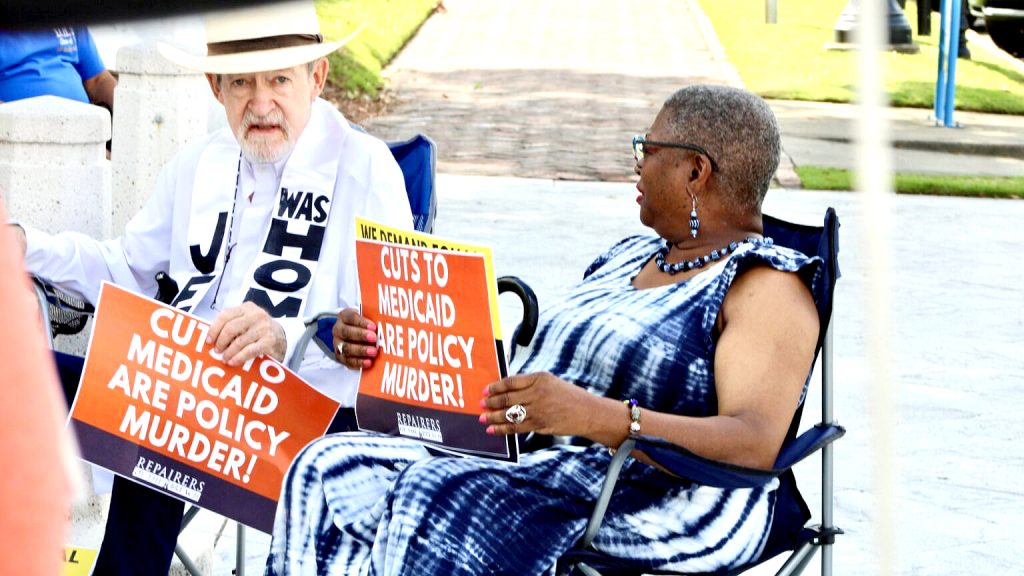
MONTGOMERY — A coalition of nine of the nation’s largest civil rights and health advocacy organizations is warning that upcoming changes to Medicaid and the Affordable Care Act (ACA) could trigger the largest decline in health insurance coverage in decades, with Black Americans expected to be among those most affected.
The report, “Seamless, Accountable and Fair: A Civil Rights Agenda for Reconstructing Insurance Affordability Programs,” was released by organizations including the NAACP, National Urban League, Families USA, UnidosUS, and several other national advocacy groups.
The coalition estimates that communities of color could account for nearly 60 percent of the millions of Americans projected to lose health coverage by 2034 if enhanced ACA premium tax credits expire and new Medicaid eligibility requirements remain in place.
According to the report, people of color make up more than 60 percent of Medicaid beneficiaries and more than half of all Americans enrolled through the ACA Marketplace, making them especially vulnerable to coverage losses.
Advocates argue that stricter administrative requirements—including more frequent eligibility reviews, expanded income verification, and work-reporting requirements—could cause many otherwise eligible families to lose health insurance because of paperwork mistakes, missed deadlines, or difficulties navigating the enrollment process.
The report comes as states prepare to implement new Medicaid work-reporting requirements and more frequent eligibility redeterminations. Supporters of the changes say the policies protect taxpayer dollars by ensuring only eligible individuals receive benefits. Critics counter that the rules could create unnecessary barriers for working families, seniors, people with disabilities, and individuals with limited internet access.
The issue has particular importance in Alabama, where hundreds of thousands of residents depend on Medicaid or receive health insurance through the Affordable Care Act Marketplace. Health care advocates warn that additional coverage losses could place greater financial pressure on Alabama’s rural hospitals, many of which have struggled to remain open in recent years.
Marc Morial, president and CEO of the National Urban League, said the nation faces a choice between a health care system that helps eligible families obtain coverage and one that increasingly relies on administrative hurdles.
The coalition is urging federal and state policymakers to simplify enrollment and renewal procedures, preserve affordable Marketplace coverage, and strengthen protections for families who believe they have been wrongfully denied benefits.
Supporters of the report say the debate extends beyond health insurance. They argue that stable access to medical care improves public health, reduces uncompensated hospital costs, and helps communities detect and respond to disease outbreaks before they become larger public health emergencies.