


New Research Says Commuting Expenses Are Quietly Reducing Workers’ Take-Home Pay
By SPEAKIN’ OUT NEWS
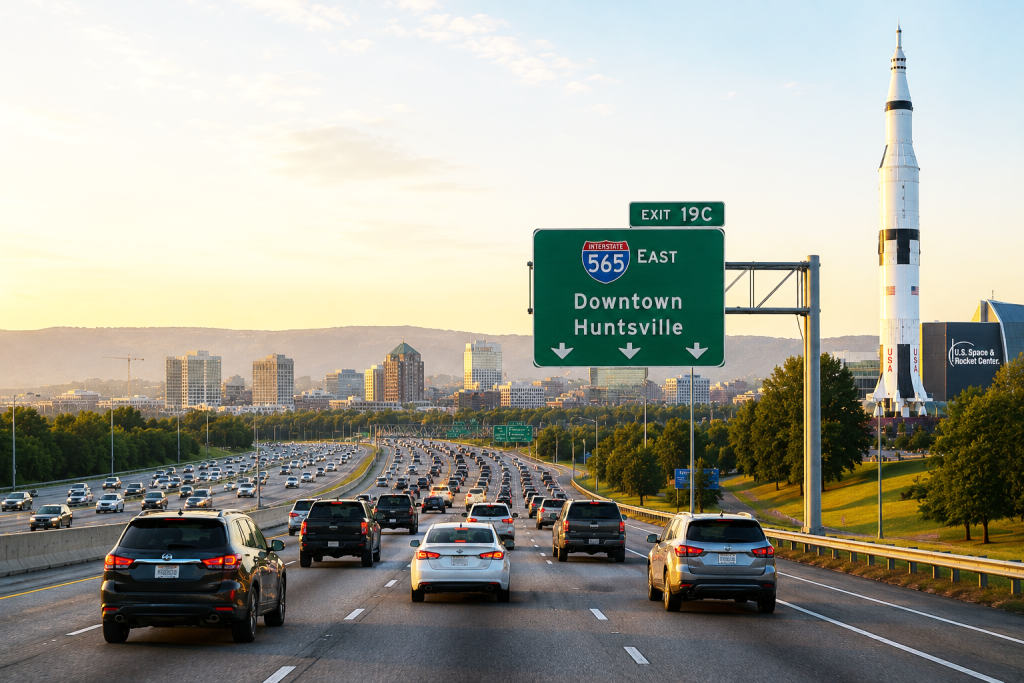
Returning to the office is proving more expensive than many employees expected, with experts warning that commuting costs are quietly reducing workers’ take-home pay.
A new commentary published by The Hill argues that return-to-office mandates require employees to absorb added expenses for commuting, parking, meals, and other workday costs without receiving additional compensation.
According to workplace expert Gleb Tsipursky, citing Owl Labs research, the average office day now costs workers about $55 in out-of-pocket expenses, including $15 for commuting, $9 for parking, $13 for breakfast or coffee, and $18 for lunch. The average one-way commute nationally is 31 minutes, adding both time and financial pressure.
“Tell a salaried employee to come back three or four days a week, and you have quietly lowered his or her take-home value,” Tsipursky wrote.
The issue also resonates in North Alabama. The Huntsville Area Metropolitan Planning Organization’s 2050 Long-Range Transportation Plan, adopted in 2025, reports that 72.3% of workers in the Huntsville metropolitan area commute 29 minutes or less, while 27.7% travel 30 minutes or more. The plan also notes that transportation costs account for about 22% of household spending, underscoring how commuting can significantly affect family budgets.
Financial experts say those costs can quickly add up, especially for working parents balancing childcare and household expenses. Owl Labs found that 68% of working parents say caregiving responsibilities affect their job performance, making workplace flexibility an increasingly valuable benefit.
“If leaders want people in seats,” Tsipursky wrote, “the fair move is simple: cover the costs or raise the pay.”