

By SPEAKIN’ OUT NEWS
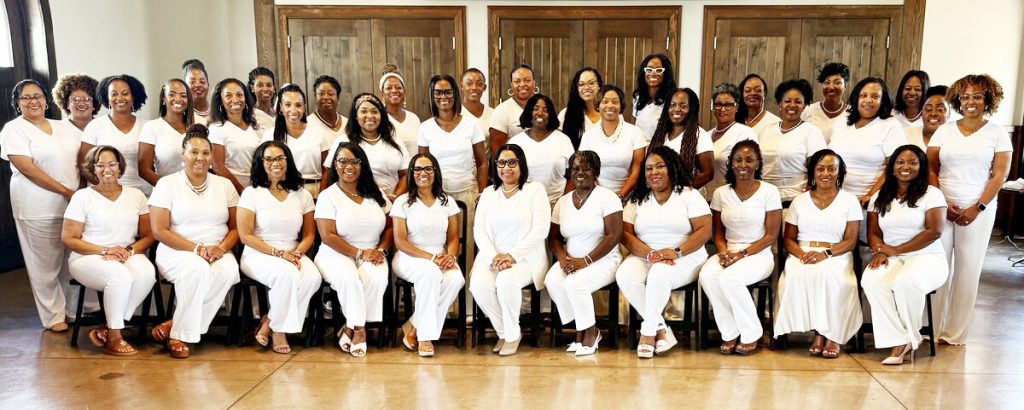
For generations, organizations such as Jack and Jill of America, the Divine Nine, and The Links, Incorporated have served as pillars of Black leadership, scholarship, and community service. Today, however, a growing public debate is asking whether these historic institutions remain welcoming safe havens—or have become exclusive social clubs.
The conversation has intensified as Black families seek trusted spaces that provide mentorship, leadership development, and positive environments for young people. Founded during segregation, these organizations created opportunities that were largely unavailable to African Americans and continue to serve communities nationwide.
Supporters point to their lasting impact through scholarships, voter registration drives, youth mentoring, health initiatives, and countless hours of volunteer service. Critics, however, question whether high membership costs, invitation-only policies, legacy preferences, and selective recruitment have made some organizations less accessible to working-class families.
Recent events have fueled the discussion. The 2025 hazing death of Southern University student Caleb Wilson renewed calls for stronger anti-hazing enforcement within Black Greek-letter organizations. More recently, Jack and Jill of America issued a national call encouraging Black families to strengthen community networks and create safe spaces for children.
The Greater Huntsville Chapter of Jack and Jill of America reflects that mission locally. Originally established in 1998 as the Madison County Interest Group and renamed the Greater Huntsville Chapter in 2010, the organization now serves families in Madison, Limestone, and Morgan counties. Its members have partnered on projects including the 100 Black Men Health Fair and Walkathon, holiday gift wrapping for Helpline, support for military families, donations to the Downtown Rescue Mission, care packages for homeless shelters, and Thanksgiving baskets for families in need.
As the conversation continues, supporters and critics alike agree on one point: preserving the legacy of these historic organizations will require balancing tradition with transparency, accountability, accessibility, and continued service to the broader Black community.