

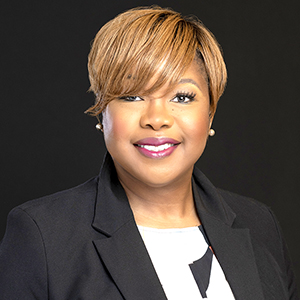
By Attorney Raven Beach
Anna wants to purchase a new vehicle, but she is struggling to get approval. She contacts numerous family members, but no one agrees to assist. Finally, Anna’s cousin Bobby agrees to cosign for Anna’s car. Anna made payments on the vehicle for a while, then missed several. Bobby has contacted Anna, but the issue persists. Bobby’s credit is being impacted, and he wants to know his rights, including the right to obtain possession of the vehicle.
Before signing the contract, Bobby should have made sure he fully understood the risks of cosigning. Cosigning is signing a document with another person, whereby you authorize the use of your credit for approval. You also agree to be responsible for a debt if payments are missed. You could be responsible for late fees, lawyer fees, and other charges unless these terms are negotiated. Finally, you are consenting to being sued in the event of default. These are important considerations that should be made.
Unfortunately, Bobby cannot assume possession of the vehicle even though Anna has defaulted. Although Bobby is responsible for making payments in the event of default, he has no legal ownership interest in the car. Attempting to repossess the vehicle could result in criminal action being brought against him. Bobby could, however, sue Anna, the primary borrower, for breach of contract.
In these situations, three key clauses in the contract could determine the outcome: the governing law clause, the forum-selection clause, and the arbitration clause. The first two clauses specify which state laws apply and designate the specific court for resolving legal disputes. An arbitration clause in the contract would prohibit a lawsuit from being filed altogether. In arbitration, a neutral third party listens to the parties and issues a final, binding decision.
In summary, resolving the matter directly with the borrower is important, but I would like to ask for an attorney to help clarify your legal options. Bobby and Anna should have a serious conversation about the financial consequences if the debt remains unpaid and the damage a lawsuit would do to their relationship.
PLEASE NOTE OUR NEW PHYSICAL ADDRESS BELOW
Raven Perry-Beach, Esq.
107 Jefferson St.
Suite 14
Huntsville, AL 35801
(256) 799-0292
* Licensed in Alabama, Tennessee, Massachusetts, and DC