

By SPEAKIN’ OUT NEWS
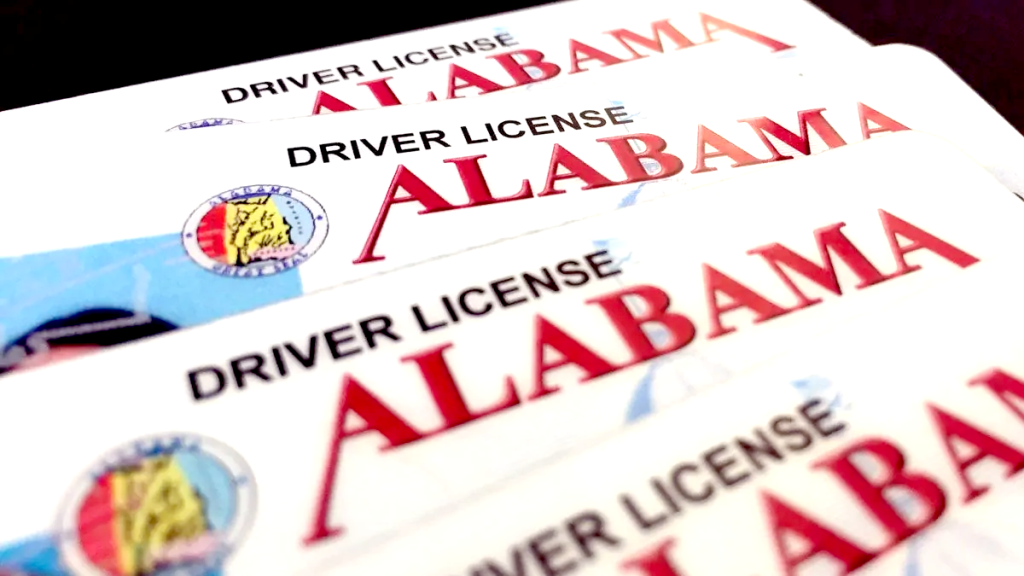
MONTGOMERY — Alabama citizens living with “invisible disabilities” may soon have the option to reflect that status on their state-issued identification, thanks to new legislation introduced by Representative Ontario Tillman, D-Birmingham.
Tillman filed the bill this week, aiming to give Alabamians with non-visible medical, neurological, and cognitive conditions a tool he believes could improve safety and understanding during encounters with law enforcement, emergency responders and public agencies. Invisible disabilities — which can include conditions such as epilepsy, autism, PTSD, diabetes, chronic pain disorders and many others — often carry challenges that aren’t immediately apparent to others.
Supporters say the measure could help prevent misunderstandings when individuals are unable to communicate effectively during moments of stress or crisis.
“This bill is about dignity and protection,” Tillman said in a statement. “People with invisible disabilities face unique barriers every day. A simple designation on a driver’s license or ID can provide critical context in high-pressure situations and help ensure that all Alabamians are treated with fairness, patience and respect.”
The legislation would allow — but not require — Alabama residents to add the designation voluntarily. Advocates emphasize the importance of consent, noting that many disabled Alabamians fear being labeled or stigmatized. Tillman said the bill was crafted with those concerns in mind, offering a choice rather than a mandate.
Community health groups and disability-rights organizations applauded the proposal, calling it a meaningful step toward public safety reform and disability awareness. They argue that invisible disabilities too often go unrecognized in daily life, especially during interactions with law enforcement, where miscommunication can escalate quickly.
If approved, Alabama would join several other states that already offer optional disability indicators on state IDs. Lawmakers are expected to debate the bill during the upcoming legislative session.