


BY SPEAKIN’ OUT NEWS
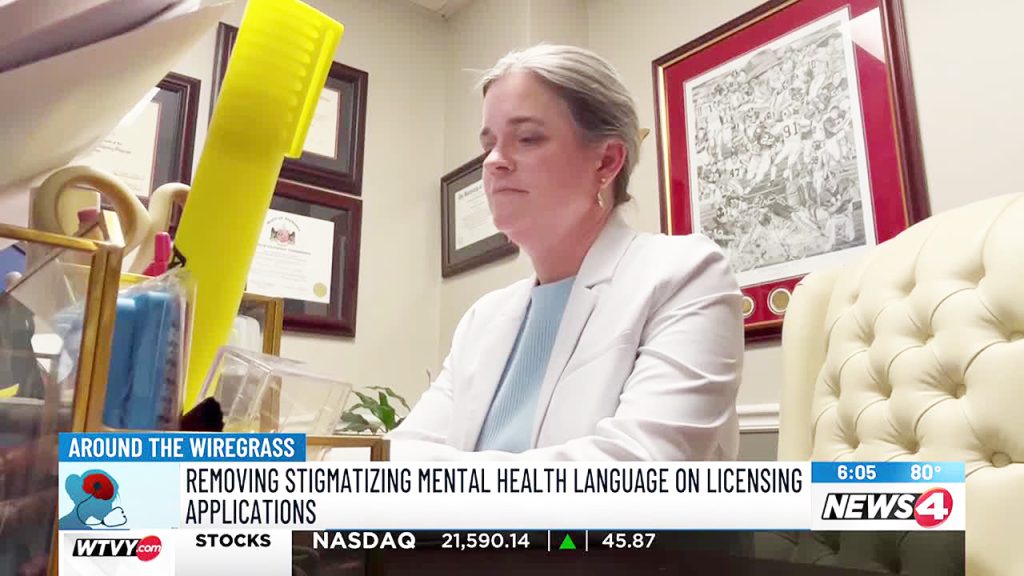
The Alabama Board of Medical Examiners has received national recognition for taking significant steps to reduce stigma around mental health treatment for healthcare workers. The board was named a 2025 Wellbeing First Champion by ALL IN: Wellbeing First for Healthcare, a national coalition focused on strengthening mental health support for medical professionals.
The honor follows the board’s recent decision to remove intrusive questions about past mental health or substance-use treatment from Alabama’s medical license applications. Until this year, physicians seeking a license were required to disclose any history of treatment, even if it had no impact on their current ability to practice safely. Medical leaders warned that the questions were stigmatizing and discouraged doctors from seeking help.
The Medical Association of the State of Alabama urged the board to eliminate the problematic language, leading to a revised form that asks only whether a physician currently has a condition that could impair safe practice.
Board Chair Dr. Max Rogers said the change puts physician well-being first.
“Anyone who needs help should never fear seeking it, including doctors,” Rogers said. “We are focused on a doctor’s ability to provide safe care today.”
Medical Association President Dr. Mark LeQuire said the reform recognizes that doctors are human too.
“Physicians deserve the right to pursue mental healthcare without fear of losing their job or license,” he said.
The change aligns with national guidelines from the Dr. Lorna Breen Heroes’ Foundation, created in honor of a physician who died by suicide in 2020. With this update, Alabama joins 50 other licensure boards and more than 600 hospitals that have already removed similar barriers.
ALL IN co-founder Corey Feist said reducing stigma is essential as healthcare workers face rising rates of burnout, depression, and suicide.
The board also highlighted the confidential Alabama Professionals Health Program (APHP), which supports physicians experiencing mental health challenges.
“This is about strengthening the entire healthcare system,” Rogers said. “Healthy physicians mean better care for patients.”