


Vegetables, low-fat dairy, and balanced meals can help, but diet does not replace needed treatment
By SPEAKIN’ OUT NEWS
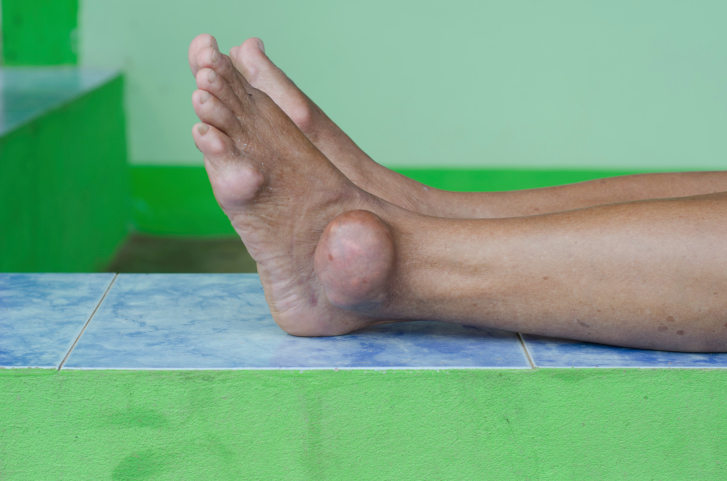
A painful gout attack can make even a bedsheet touching your toe feel unbearable. While food choices can help lower the risk of flares, preventing gout takes more than avoiding one particular meal.
Gout develops when uric acid builds up and forms crystals in and around joints. Genetics, kidney function, and certain medicines can affect risk, so the condition should not be blamed solely on diet.
“Changing your diet isn’t a cure for gout,” Mayo Clinic explains. Many people still need medication to lower uric acid and prevent joint damage.
For everyday meals, consider these choices:
1. Low-fat dairy. Plain low-fat yogurt and skim or low-fat milk provide protein. The Academy of Nutrition and Dietetics notes that low-fat dairy may help reduce uric acid levels.
2. Vegetables. Fill your plate with options such as carrots, broccoli, and leafy greens. Even spinach and asparagus, which contain purines, have not been shown to increase gout risk.
3. Whole fruits. Choose berries, apples, or melon instead of sugary drinks. Cherries may help reduce attacks, but evidence is limited; they do not replace treatment.
4. Whole grains. Oatmeal, brown rice and whole-wheat bread can form part of a balanced eating plan.
5. Plant proteins. Beans, lentils, chickpeas and unsalted nuts offer alternatives to large servings of red meat. Eggs are another option to discuss with your dietitian.
Limit organ meats, large portions of beef or pork, and high-purine seafood such as sardines and anchovies. Cut back on alcohol, especially beer, and drinks sweetened with high-fructose corn syrup.
Drink water regularly, following any prescribed fluid limits. If weight loss is appropriate, pursue gradual changes rather than crash dieting.
Ask your clinician or dietitian to tailor food choices to your kidney health, medications, and other conditions.