

BY SPEAKIN’ OUT NEWS
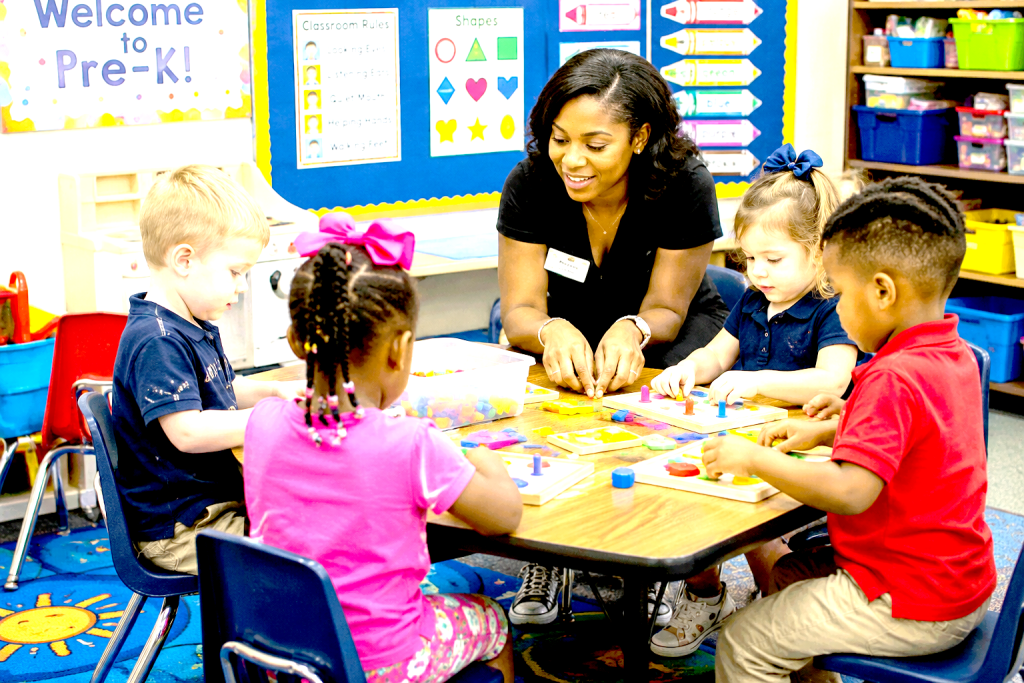
Alabama is expanding its nationally recognized First Class Pre-K program with 64 new classrooms for the 2026-27 school year, creating space for as many as 1,152 additional children. Yet education leaders and researchers say the expansion, while significant, will still leave thousands of eligible children without access to one of the state’s most successful education programs.
Gov. Kay Ivey announced the expansion Wednesday, saying the additional classrooms will strengthen Alabama’s investment in early childhood education and help more children enter kindergarten prepared to learn.
“Providing Alabama’s children with a strong start remains one of our state’s most important investments,” Ivey said. “These new First Class Pre-K classrooms will help more children enter kindergarten ready to learn and succeed, while strengthening the foundation for Alabama’s future.”
The new classrooms will increase the statewide program to 1,521 classrooms serving more than 24,000 children. Nearly 77% of the new classrooms will be placed in counties identified by researchers as having the greatest unmet demand for pre-kindergarten services.
Despite the expansion, a 2025 University of Alabama study found approximately 4,100 children remain on waiting lists in 20 high-priority counties. Researchers estimated that eliminating those waiting lists would require 229 additional classrooms, while broader statewide goals would require approximately 250 new classrooms and major investments in facilities, transportation, teacher recruitment and workforce development.
Nationally recognized for its quality, Alabama’s First Class Pre-K program has earned top marks from the National Institute for Early Education Research (NIEER) for 20 consecutive years, meeting all 10 of the organization’s research-based quality benchmarks. Those standards measure teacher qualifications, class size, curriculum, health screenings and classroom accountability.
However, access continues to be Alabama’s greatest challenge. According to NIEER, the state served only about 40% of Alabama’s 4-year-olds during the 2024-25 school year, leaving the majority of eligible children without access to the voluntary program.
Tracye Strichik, executive director of VOICES for Alabama’s Children, praised lawmakers for increasing funding while acknowledging additional work remains.
“As we continue to expand access, the next challenge is addressing barriers such as available classroom space, transportation, before- and after-school care, and workforce capacity so more Alabama families can benefit from this nationally recognized program,” Strichik said.
Lawmakers approved nearly $210 million for the Office of School Readiness in fiscal year 2027, an increase of about $12.4 million over the current year. The funding will support classroom expansion, higher grants for local providers and continued improvements aimed at preparing more Alabama children for success in school.