

SPEAKIN’ OUT NEWS
A coalition of 25 Democratic-led states and the District of Columbia has filed a federal lawsuit challenging new Trump administration guidance that they say could make it harder for millions of low-income Americans with serious health conditions to keep their Medicaid coverage.
The lawsuit targets new guidance issued by the U.S. Department of Health and Human Services and the Centers for Medicare & Medicaid Services (CMS) interpreting exemptions to Medicaid work requirements established under the One Big Beautiful Bill Act.
The law requires adults covered through Medicaid expansion in participating states to work, attend school, participate in job training or perform community service for at least 80 hours each month to remain eligible for benefits. However, people classified as “medically frail” may qualify for an exemption.
The states argue the administration’s updated definition of “medically frail” is too restrictive and could leave individuals with serious illnesses or disabilities without health insurance.
“This eleventh-hour attempt to further narrow protections for medically frail Medicaid recipients seeks to punish those who cannot fend for themselves,” Rhode Island Attorney General Peter Neronha said in a statement.
Supporters of the policy say the work requirements encourage employment and self-sufficiency. CMS Administrator Dr. Mehmet Oz said the rule “helps Americans build skills and independence through work, education, job training, or community service.”
The lawsuit also argues the federal government changed the guidance after states had already begun preparing to implement the law, creating an unrealistic timeline before an August 31 notification deadline.
States are expected to begin enforcing the new Medicaid work requirements by January 1, 2027, although federal officials may grant temporary extensions.
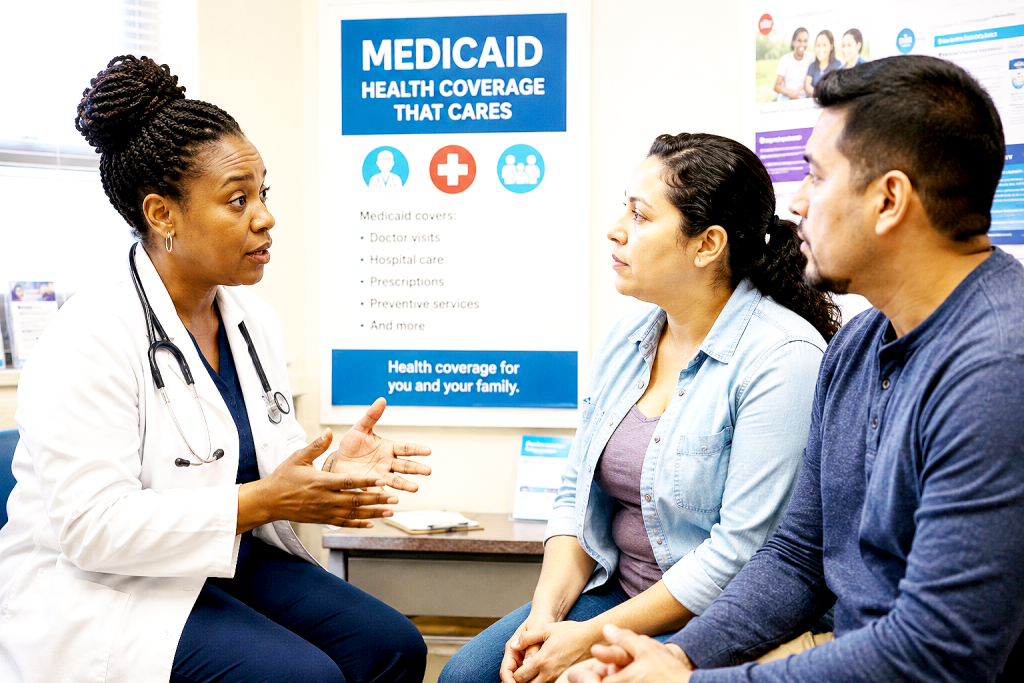
Photo Caption: A coalition of 25 Democratic-led states and the District of Columbia has sued the Trump administration over new Medicaid work requirement guidance, arguing the policy could make it harder for people with serious health conditions to keep their health coverage.
Source: Stateline News.