


SPEAKIN’ OUT NEWS
SPEAKIN’ OUT NEWS
Alabama families already feeling pressure from higher grocery, housing, and insurance costs may soon face another concern: who pays for the growing demand on the electric grid.
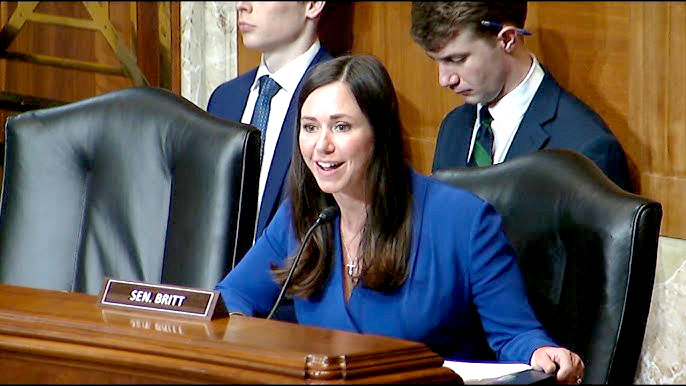
U.S. Sen. Katie Britt of Montgomery pressed U.S. Energy Secretary Chris Wright during a Senate Appropriations subcommittee hearing on the Department of Energy’s fiscal year 2027 budget request, focusing on whether expanding technology needs could push more costs onto household power bills.
Britt raised concerns about the rapid growth of data centers, which require large amounts of electricity to power artificial intelligence, cloud computing, and digital infrastructure. While she said the United States must maintain its “compute power advantage,” she warned that families should not be forced to carry the financial burden.
Between 2021 and 2025, residential power bills rose more than 40% nationwide, Britt said during the hearing. She called that increase “totally unacceptable” and pointed to even sharper spikes in wholesale electricity prices in regions with heavy data center development.
Her message was direct: freezing rates is not enough.
“I want to see lower rates in Alabama,” Britt said.
The issue matters across North Alabama, where Huntsville’s technology, defense, aerospace, and advanced manufacturing economy depends on reliable power. As more companies depend on data, automation, and high-tech infrastructure, the demand for electricity is expected to continue to grow. The question for working families is whether that growth will bring shared prosperity or higher monthly bills.
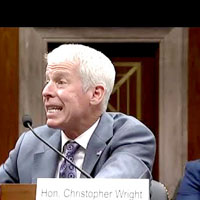
Wright told Britt the Energy Department is looking for ways to increase power supply and improve the existing grid. He cited efforts involving hydro facilities, natural gas facilities, and nuclear power as part of the department’s strategy to reduce pressure on the system.
Britt also pushed the department on grid cybersecurity and workforce development. She pointed to work at Auburn University through SERC-3 and urged federal support for training workers who can protect the power grid from cyber threats.
For Alabama households, the hearing put a kitchen-table issue inside a national policy debate. Energy costs affect seniors on fixed incomes, small businesses trying to stay open, churches, schools, and families already balancing tight budgets.
As Alabama grows, especially in technology-driven cities like Huntsville, state and federal leaders face a critical test: keeping the lights on, protecting the grid, attracting industry, and making sure ordinary residents are not shocked by the bill.