


By SPEAKIN’ OUT NEWS
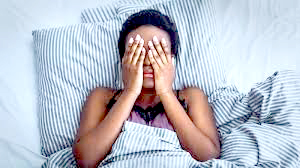
NATIONAL — Most Americans know they should get seven to nine hours of sleep each night. What far fewer people know is that Black Americans are being systematically robbed of that sleep — and it is costing lives.
A large-scale analysis of more than 228,000 U.S. adults published in the journal Clocks & Sleep found that 46 percent of non-Hispanic Black adults report short sleep — defined as six hours or less — compared to 31.7 percent of white adults. That is a 14-percentage-point gap, and it is not explained by individual choices. It is driven by structural conditions: food insecurity, lack of emotional support, life dissatisfaction, neighborhood safety, and chronic stress from racism and economic hardship.
The consequences are severe. Inadequate sleep is directly linked to obesity, Type 2 diabetes, hypertension, heart disease, depression, and cancer — the same conditions already disproportionately affecting Black communities in Alabama. Researchers at Pennington Biomedical Research Center and the University of Illinois at Chicago have specifically studied Black Americans’ sleep patterns and found that poor sleep and untreated sleep apnea are accelerating health disparities across the board.
Sleep apnea — a condition where breathing repeatedly stops during sleep — is significantly underdiagnosed in Black adults. Research published in peer-reviewed journals shows that awareness, assessment, and treatment of sleep apnea are disproportionately lower among Black patients. Without diagnosis and treatment, sleep apnea raises the risk of stroke, heart failure, and high blood pressure — all conditions already elevated in Black Alabama communities.
Prevention starts with awareness. Doctors recommend keeping a consistent sleep and wake schedule seven days a week, limiting screens before bed, keeping the bedroom cool and dark, avoiding caffeine after 2 p.m., and talking to a physician about sleep quality at your next checkup. If you snore loudly, wake up tired regardless of hours slept, or experience morning headaches, ask your doctor about a sleep apnea screening.
Sleep is not a luxury. For Black communities navigating compounded stress, economic pressure, and health burdens, it is one of the most powerful — and most overlooked — tools for prevention.