

By: SPEAKIN’ OUT NEWS
Groundbreaking new research shows that two of the most widely used diabetes medications—tirzepatide and semaglutide—deliver powerful early protection against life-threatening cardiovascular events. The findings are raising hope for millions of adults living with type 2 diabetes, a condition long known to sharply increase the risk of heart attack, stroke, and premature death.
The large real-world study, which analyzed tens of thousands of patients across multiple health systems, found that both drugs significantly reduced the combined risk of heart attack, stroke and cardiovascular-related death compared to standard diabetes treatments. Researchers noted that the protective effect appeared early and steadily increased over time.
“These medications aren’t just lowering blood sugar—they’re saving lives,” researchers said. “We are seeing a dramatic drop in cardiovascular risk across nearly every patient group.”
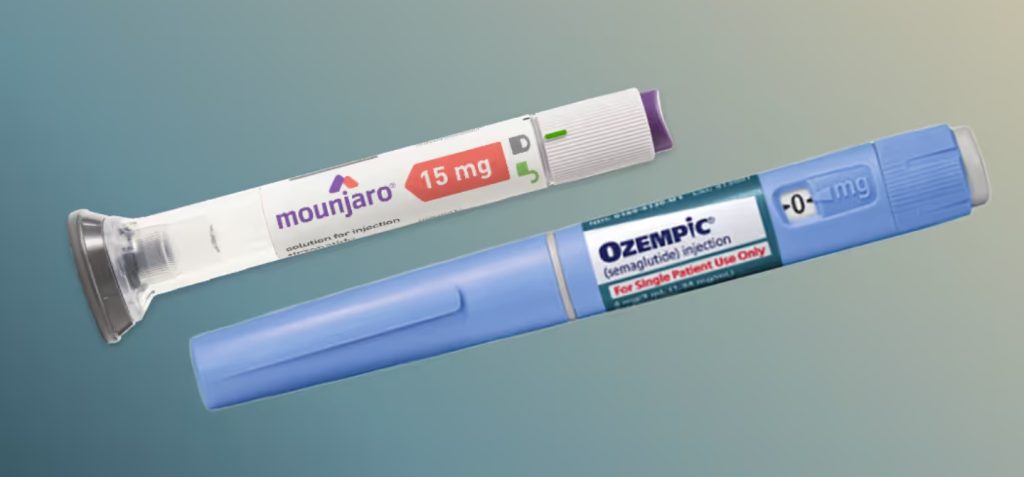
The study found that tirzepatide, known by the brand name Mounjaro, showed the strongest reduction overall. Semaglutide, marketed as Ozempic and Rybelsus, also produced substantial benefits. Both medications belong to a class of drugs that mimic naturally occurring hormones to regulate blood sugar, appetite and metabolism.
Cardiologists say the results underscore a growing shift in diabetes care, where medications are evaluated not only for glucose control, but also for their ability to prevent long-term complications.
“This is one of the most significant developments in diabetes treatment in more than a decade,” one expert noted.
The study’s real-world data strengthens earlier clinical trials and suggests these drugs could dramatically improve long-term survival. Physicians expect the findings to influence future treatment guidelines—and increase demand for drugs already in short supply.