


by Ty McDuffey
Ulcerative colitis is a rather frequent long-term illness in which the immune system reacts inappropriately.
A person suffering from UC may exhibit some of the following signs:
- Rectal bleeding
- Diarrhea
- Abdominal pains
- Tenesmus (the sensation of urgency to perform a bowel movement while the intestine is empty)
- Bloody stools
- Mucus in the stool
Other symptoms associated with UC include exhaustion, fever, lack of appetite, anemia, and nausea.
These symptoms often present exclusively during flare-ups. Flare-ups normally occur before a remission period. When someone is in remission, they could have little-to-no symptoms.
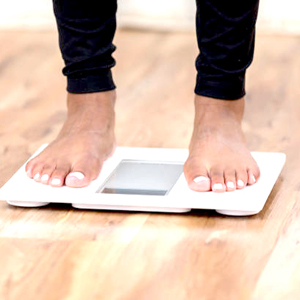
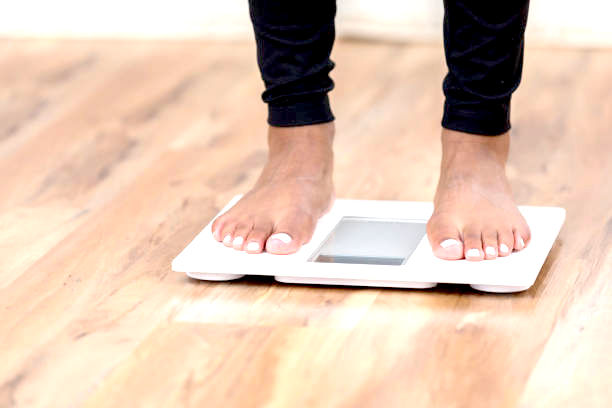
Even though it is normal for persons with UC to lose weight, some individuals may gain weight because of the condition.
Is it Possible for Ulcerative Colitis to Cause Weight Gain?
UC may induce weight gain as well as weight reduction.
UC may impair a person’s ability to absorb nutrients from meals. As a result, significant vitamin shortages and malnutrition might occur. These consequences may lead to weight loss in people with UC.
Nevertheless, there are several reasons why UC might induce weight gain. Some UC drugs that may cause weight gain make it harder to exercise.
Is it Possible for Ulcerative Colitis to Cause Bloating?
There has yet to be a lot of study regarding whether UC may induce bloating. However, according to 2016 research, patients with inflammatory bowel disease have considerably higher levels of bloating, gas, and stomach pain than the general population.
Weight Gain vs. Bloating
Weight increases happen over time when you consume more calories than you expend via exercise and daily physical activity.
Bloating happens when the gastrointestinal system becomes clogged with gas.
While bloated, a person’s stomach may feel tight and full, as if they had eaten a large meal. This feeling may make the stomach seem larger than normal.
Weight Gain Causes
A variety of factors may cause weight gain in patients with UC.
Some patients with UC have difficulty consuming items that are normally part of a healthy diet, including fruit, vegetables, whole grains, and nuts.
Eating a well-rounded diet is important in maintaining a healthy weight. Nevertheless, when some foods cause flare-ups, eating a nutritious diet becomes more challenging.
Exercise is a key aspect of maintaining a healthy weight.
Adults should get more than 150 minutes of moderate-intensity exercise or 75 minutes of vigorous-intensity exercise each week, according to the Centers for Disease Control and Prevention (CDC).
Some UC symptoms may make it more challenging to participate in regular activities.
Individuals with UC may endure stomach discomfort, tiredness, and frequent toilet visits. This combo of symptoms might cause fatigue and hinder one’s capacity to exercise.
Avoiding Certain Foods
People with UC should avoid various potential trigger foods.
Some of these items may lead to weight gain as well.
For instance:
- Dairy products, including cheese, milk, and cheese
- Pastries, candies, and sugary drinks
- Foods high in fat, such as butter and cream.
- Alcoholic beverages, including wine, beer, and spirits
Foods to Incorporate
People with UC may choose meals they can tolerate while still being healthy and contributing to a well-balanced diet.
These items will vary depending on the person; however, they may include:
- Cantaloupes, bananas and honeydew melons
- Eggs, lean cuts of pig, white meat, fish, and firm tofu
- Gluten-free bread, rice, oatmeal, and white pasta
- Steamed, grilled, or boiled vegetables
Summary
One typical sign of UC is weight loss. However, in certain cases, this disease might lead to weight gain.
Some individuals with ulcerative colitis may find it difficult to maintain a healthy diet. In contrast, others may find it difficult to exercise often due to symptoms such as exhaustion and stomach discomfort. Some UC drugs may promote weight gain as well.
You should eat a diverse, healthy diet and get frequent exercise to avoid weight gain.