

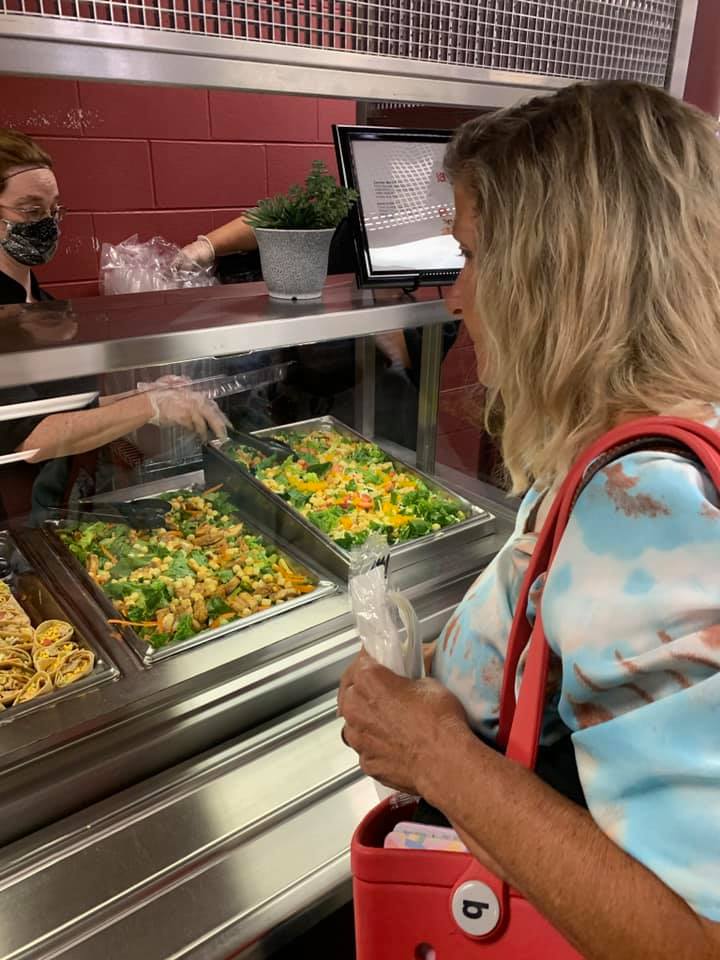
Alexander City Schools has asked parents to start feeding their children breakfast at home or to send them to school with a snack because the district has not received food deliveries from their vendors.
“We have taken action to open accounts with other vendors in an attempt to diversify our supply options,” officials said in a Facebook post on Saturday. “This is a situation that is frustrating for you as a parent, and for us as well as our ability to feed our students is being greatly impacted.
Alexander City had 2,870 students last school year, with 65% enrolled in free- and reduced-price meals, according to data from the Alabama State Department of Education.
Read more Ed Lab: How Alabama schools are battling food shortages with warehouses, long hours.
Alabama schools continue to face food shortages as the pandemic impacts the workforce needed to serve and deliver meals, as well as supplies of food and packaging materials. Every school district in the state is currently facing these shortages to varying degrees, according to the department of education.
The United States Department of Agriculture announced Sept. 29 that it will invest $1.5 billion this year to help schools feed students. However, information on how those funds will be allocated has not yet been given to states.
“As with all funding received, once directives and guidance is provided by USDA, we will follow those guidelines and disburse the funds quickly,” said Anjelice Lowe, Child Nutrition Programs Director for the department of education.
Unlike in other states, Alabama still has food distributors servicing schools, according to Lowe. She says the department will “exhaust all efforts” before closing a school due to shortages.
But some districts, including Dothan City Schools, have advised parents to prepare for a possible shift to remote learning due to their food supply.
“As a last resort, we may also ask that you prepare to have virtual/remote school days a few days out of the week to alleviate the stress of our food supplies,” said the district in a Sept. 23 message to families. “We face a situation where we must do everything we can to continue providing a nurturing environment for our students to learn and grow.”
While the district has not yet had to transition to remote learning, students would go without meals if they did, according to a spokesperson for Dothan City Schools.
Schools are not required to provide meals in Alabama, but the service is crucial for many students.
“We know that a child cannot learn when hungry,” said Lowe. “It is imperative that meals are provided in order for students to have a successful and productive day in school.”
The department of education did not provide further information on how they would help provide meals to schools.
A spokesperson for Governor Ivey’s office deferred comment to the Alabama Department of Agriculture and Industries when asked if the state is prepared to assist schools with these shortages.
In a statement to AL.com, Don Wambles, director of the state program that helps oversee the department of agriculture’s farm to school program, said:
“We are connecting local farmers with schools to the extent possible but this is only a drop in the bucket. Otherwise, we are communicating with the Dept. of Ed almost daily. I am not aware of an effort for the State to step in.”