

By SPEAKIN’ OUT NEWS
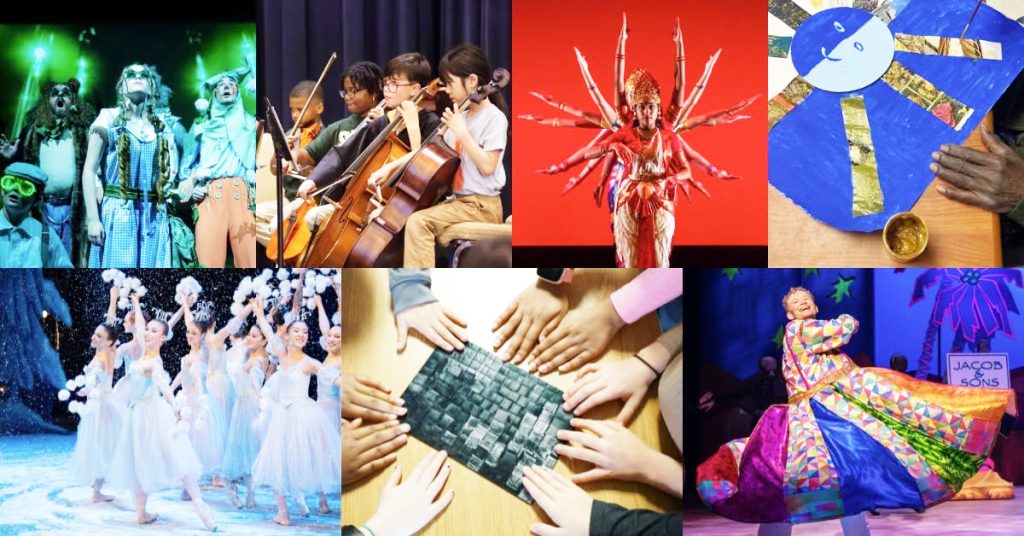
MONTGOMERY — More than 200 Alabama arts organizations and educational institutions will share over $3.9 million in grants supporting performances, festivals, exhibitions, arts education and community programming.
The Alabama State Council on the Arts awarded funding to 201 recipients across 36 counties, according to the council and subsequent reports from Alabama Political Reporter and WSFA. Supported activities include theater productions, concert series, after-school instruction, organizational operations and public exhibitions.
Although arts funding is often discussed as a cultural investment, it also carries a measurable economic role. Performances and festivals generate spending at restaurants, hotels, retailers and transportation businesses. Grants can also provide paid opportunities for artists, instructors, technicians and event workers while helping nonprofit organizations attract private contributions.
That impact is particularly important in communities where cultural events draw visitors into commercial districts or provide programming that schools cannot independently finance. Smaller organizations frequently rely on public grants to secure venues, pay artists and keep admission affordable.
The council distributes state and federal funds through competitive grant programs. Awards vary by project and may support individual activities, education initiatives or the continuing work of established institutions. The latest round reaches nonprofit organizations, schools and universities rather than concentrating funding in one metropolitan area.
For North Alabama, the grants may strengthen a cultural economy that includes museums, music organizations, theaters and festivals. They also arrive as Huntsville expands beyond aerospace and defense through music, tourism and creative industries.
Recipients must now convert the awards into accessible programs and demonstrate how public dollars benefit their communities. Their results will help determine whether future arts appropriations are viewed as optional spending or as economic and educational development.