


By SPEAKIN’ OUT NEWS
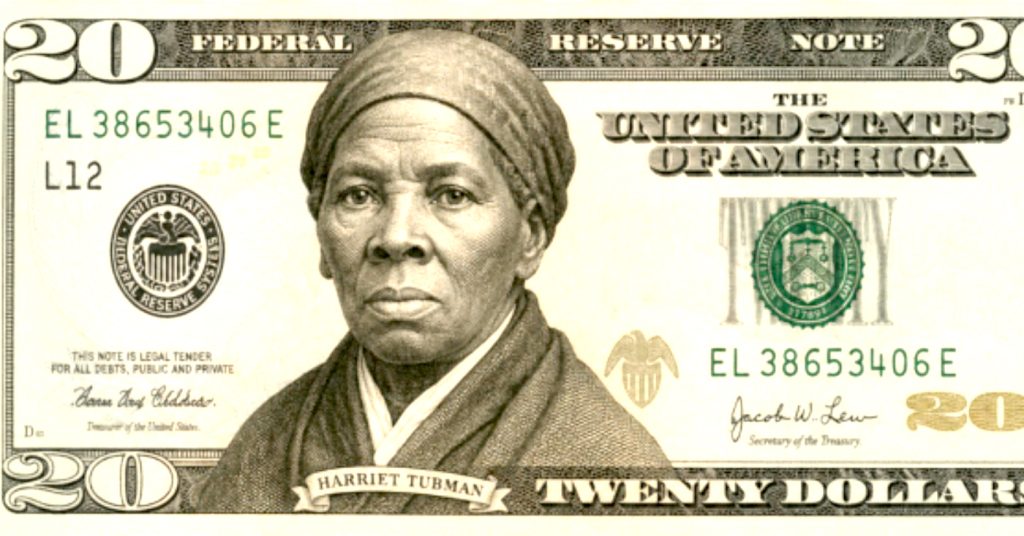
WASHINGTON, D.C. — The Trump administration has halted—for now—a decade-long effort to place abolitionist Harriet Tubman on the front of the $20 bill.
Treasury Secretary Scott Bessent said the department is “not at present” moving forward with the redesign. Because he did not say whether the project was permanently canceled, Democratic senators are demanding an explanation and urging Treasury to resume its work.
The redesign originated under President Barack Obama. In 2016, Treasury Secretary Jacob Lew announced that Tubman would replace President Andrew Jackson on the bill’s front, while Jackson and the White House would appear on its reverse.
Tubman escaped slavery in Maryland before repeatedly returning to guide approximately 70 enslaved people to freedom through the Underground Railroad. She later served the Union Army as a nurse, scout and spy during the Civil War. The redesigned note would make her the first Black American featured on regularly circulating U.S. paper currency.
The project stalled during Trump’s first administration. Trump called replacing Jackson “pure political correctness,” while then-Treasury Secretary Steven Mnuchin cited security and anti-counterfeiting requirements in delaying the new bill. President Joe Biden’s administration later revived the effort, although officials estimated it would not enter circulation until approximately 2030.
Sens. Chris Van Hollen of Maryland and Jeanne Shaheen of New Hampshire recently led eight Democratic colleagues in asking Bessent to explain the decision and provide a briefing by Aug. 12.
The senators also questioned why the Tubman project was paused while administration officials considered a proposed $250 bill bearing Trump’s portrait. That proposal would require congressional action because federal law permits only deceased individuals to appear on U.S. currency.
The controversy renews a larger national debate over whose lives and contributions should be represented on America’s money.