


SPEAKIN’ OUT NEWS
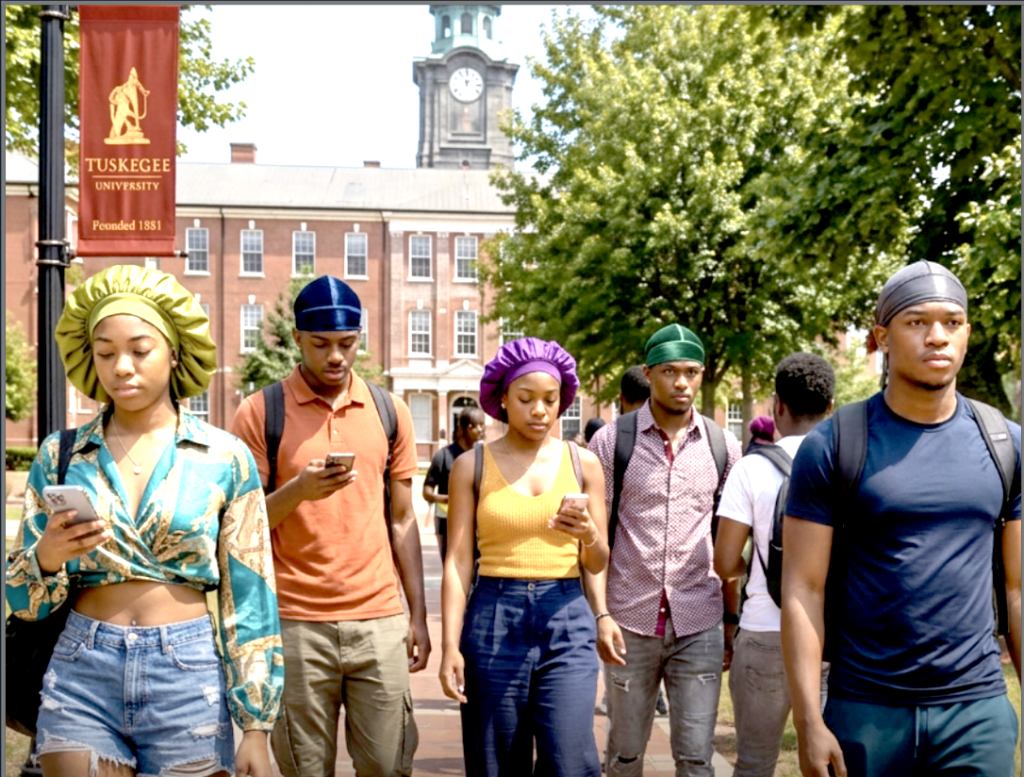
TUSKEGEE, Ala. — As students prepare to return to Historically Black Colleges and Universities (HBCUs) for the fall semester, Tuskegee University has found itself at the center of a nationwide conversation after introducing a revised student dress code that bans do-rags, bonnets, bedroom slippers and certain revealing clothing in classrooms, dining facilities and other official university settings.
The updated policy, outlined in the University’s new student handbook, also strengthens classroom expectations by emphasizing attendance, limiting cellphone use during instruction and requiring students to arrive on campus with at least one professional business outfit. University leaders say the changes are part of a broader effort to prepare students for professional environments after graduation by reinforcing workplace habits before they enter the workforce.
The announcement has divided students, alumni and supporters, with many viewing the policy as either a welcome return to traditional HBCU values or an unnecessary restriction on personal expression.
Supporters say Tuskegee is reaffirming the standards that historically distinguished many Black colleges. For decades, numerous HBCUs encouraged students to dress professionally, attend chapel, observe curfews and uphold strict classroom etiquette as part of preparing graduates for leadership and professional careers.
Many alumni applauded the University’s decision, arguing that today’s students can benefit from learning workplace expectations before entering competitive job markets. They believe appearance, discipline and respect remain valuable life skills that extend well beyond the classroom. Supporters also contend that college is an ideal place to develop the professionalism employers often expect in interviews, internships and career settings.
Critics, however, argue that the policy reflects respectability politics and raises questions about whether colleges should regulate students’ clothing and hairstyles. Some students expressed frustration on social media after learning that clothing they had already purchased for the upcoming semester may violate the new guidelines.
Others questioned whether prohibiting bonnets, do-rags and similar attire truly prepares students for today’s workforce, where business casual dress, remote work and entrepreneurship have reshaped professional norms. Many critics believe students should be treated as adults capable of making their own decisions about personal appearance.
University officials have clarified that the policy does not require students to wear business suits to class every day. Instead, students are expected to own at least one professional outfit for presentations, career fairs, interviews and formal university events.
Because Tuskegee is a private institution, it has broad authority to establish standards governing student conduct and appearance. Students who enroll agree to abide by the University’s policies and code of conduct.
Regardless of where people stand on the issue, Tuskegee University’s decision has become one of the most talked-about campus policy changes of 2026. The controversy extends beyond one campus, reigniting a broader discussion across the HBCU community about balancing tradition, professionalism and student self-expression in a changing world.