


SPEAKIN’ OUT NEWS
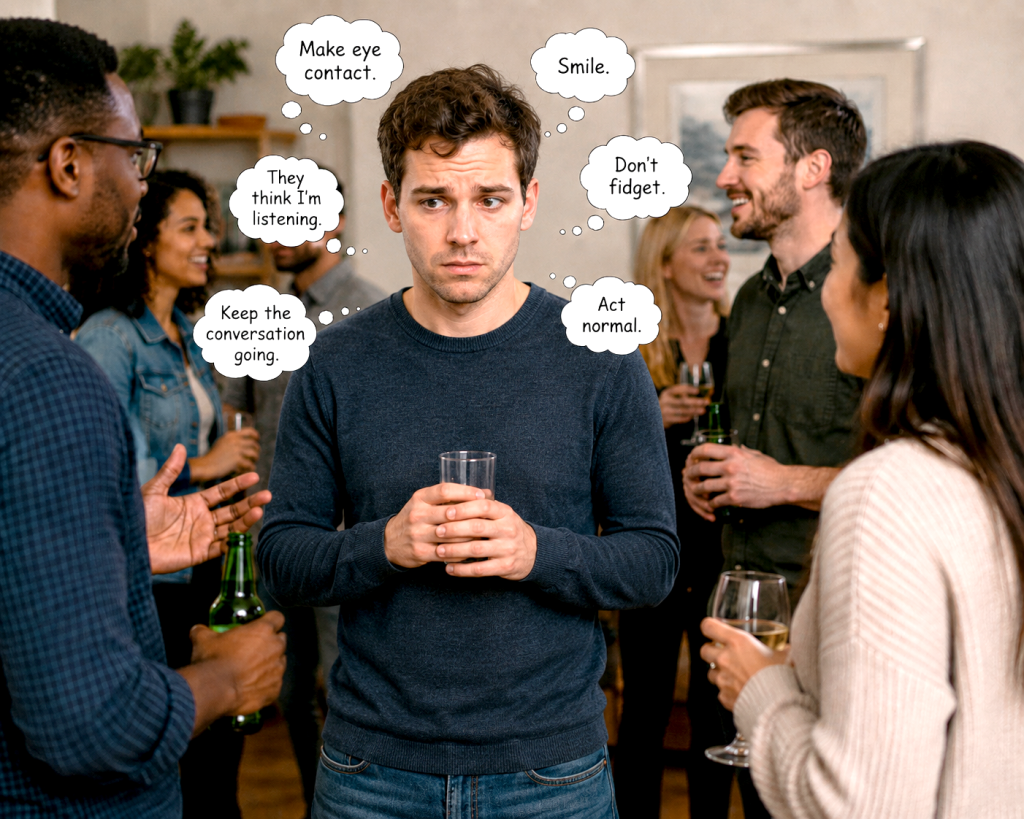
June is recognized as Men’s Mental Health Awareness Month, a time dedicated to raising awareness about mental health challenges and encouraging individuals to seek support when needed. While conversations often focus on depression, anxiety, and stress, new research is highlighting another issue affecting millions of adults: the hidden emotional toll of living with Attention-Deficit/Hyperactivity Disorder (ADHD).
A recent study conducted by researchers at Simon Fraser University in British Columbia found that many adults with ADHD regularly hide or suppress their symptoms in an effort to fit into social and professional environments. Researchers say these behaviors, commonly known as “masking” or “camouflaging,” may help people avoid judgment but can come at a significant cost to their mental health.
The study, published in the journal Research in Neurodiversity, surveyed 202 adults diagnosed with ADHD. More than 91 percent reported masking their symptoms to some degree in order to appear more attentive, organized, or socially comfortable.
Examples of masking include pretending to pay attention during conversations, suppressing the urge to fidget, rehearsing interactions before they occur, or spending extra time preparing for meetings and social gatherings. While these strategies may help individuals navigate social situations, researchers found they often leave people feeling emotionally drained.
Participants reported increased levels of anxiety, depression, low self-esteem, and exhaustion. Many also described feelings disconnected from their authentic selves and experiencing impostor syndrome—the fear of being exposed as inadequate despite evidence of success or competence.
“Camouflaging or masking strategies may help you get your foot in the door socially, in relationships or at work, but they often leave people feeling exhausted and less connected to others,” said lead researcher Marisa Mylett.
Researchers noted that masking requires substantial mental effort, which can worsen challenges already associated with ADHD, including difficulties with concentration, memory, organization, and focus.
The findings suggest that greater awareness and acceptance of neurodiversity could help reduce the pressure many adults with ADHD feel to hide their symptoms. Experts say creating more inclusive workplaces, schools, and social environments may improve both mental health and quality of life.
“It’s not that adults with ADHD have a distorted way of seeing the world,” said psychology professor Grace Iarocci. “They’re responding to real social expectations and pressures and using masking to cope.”
As Men’s Mental Health Awareness Month continues, researchers hope the study encourages more open conversations about ADHD and the importance of supporting individuals who may be struggling silently.