

By SPEAKIN’ OUT NEWS
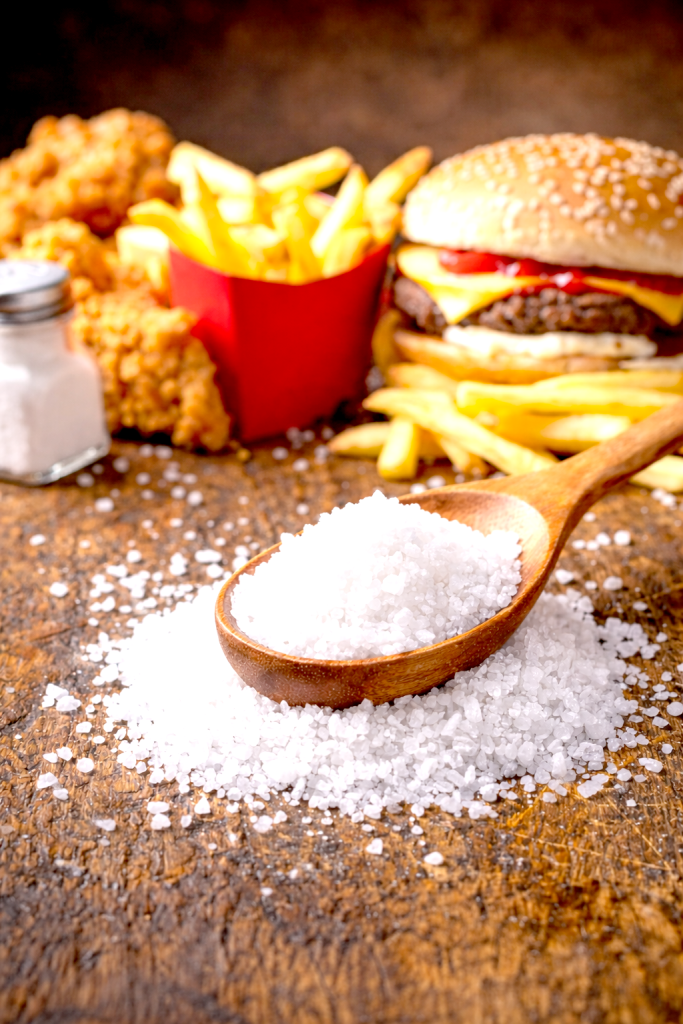
Excess salt in processed and fast foods may increase the risk of high blood pressure and kidney damage over time.
Aside from the Super Bowl, few things capture America’s passion quite like salt. In fact, Americans consumed an estimated 53 million metric tons of salt in 2020 alone — a staggering number that highlights just how deeply sodium is embedded in our food culture.
Fast food chains and processed food manufacturers understand this love affair well. From fries and fried chicken to canned soups and frozen meals, sodium is heavily layered into everyday products to enhance flavor and extend shelf life.
Salt — in moderation — is essential. As one of the body’s key electrolytes, sodium helps regulate fluid balance, supports nerve signaling, and ensures proper muscle function. It also plays a role in maintaining healthy blood volume and blood pressure.
But excess sodium intake can quietly damage one of the body’s most vital organs: the kidneys.
The kidneys act as the body’s filtration system, removing waste and balancing fluids. When sodium levels are consistently high, the kidneys must work harder to excrete the excess. Over time, this strain can contribute to high blood pressure — one of the leading causes of chronic kidney disease (CKD).
According to the Centers for Disease Control and Prevention (CDC), nearly 37 million U.S. adults have chronic kidney disease, and many don’t know it. High sodium diets can increase blood pressure, damage blood vessels in the kidneys, and accelerate kidney decline.
Health experts recommend limiting sodium intake to less than 2,300 milligrams per day — about one teaspoon of salt — and even less for those with high blood pressure.
Reading food labels, cooking at home more often, and reducing processed foods are simple steps that can protect kidney health.
Sometimes, the biggest health risks aren’t exotic — they’re hiding in plain sight, right on your dinner plate.