


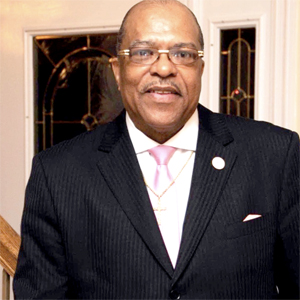
By: REV. DR. ISAIAH ROBINSON, JR.
Scriptural text: EZEKIEL 33:7-16
KEY VERSE: “Son of Man, I have made you a watchman for the people of Israel; so hear the word I speak and give them warning from me.” (Ezekiel 33; 7, NIV)
INTRODUCTION: Ezekiel served as a prophet among the Israelites who had been taken captive in Babylon around 597 BC. He symbolized and spoke messages ot only about God’s judgment against Israel and the nations but also about the hope for restoration. It is possible that breaking from the mistakes of the past will enable a person to get a fresh start toward a better life. As God’s watchman, Ezekiel gave the people a clear warning so that they could have an opportunity to turn from their sin, do the right things, and experience life. Many of the exiles had been exiled to Babylon around 597 BC, yet they continued to trust in the words of false prophets rather than God’s word through the prophet Ezekiel. Thus, they persisted in living
As they desired rather than repenting and obeying God’s word, as Ezekiel had instructed them.
The Role of the Watchman (Ezekiel 33:7-9). The people claimed that YHWH was unfair. God turned the charge around and addressed them. When the righteous fall away, they are punished. When the wicked repent, they are saved. Hence, YHWH had been fair, but the people had not. God is gracious and takes no pleasure in the death of anyone. So turn and live. God referred to Ezekiel as “mortal” (v.7) or “son of man” (KJV). This title, which is in the book of Ezekiel, is widely used to emphasize the prophet’s humanity and his role as God’s messenger. The Lord told Ezekiel that He appointed him as a “sentinel” (“watchman,” KJV) for the house of Israel. Historically, a sentinel stood at a high point on the city wall, keeping watch for any threats outside the city. If the sentinel detected danger, it was his responsibility to alert the city to take action. If they disregarded the warning, the burden of the consequences would fall on them. Through repentance and recommitment to righteousness, individuals can break the cycles of deduction and embrace divine possibilities for restoration. The concept of individual responsibility marked a significant theological development. It challenged expressed in popular proverbs that the children inevitably suffer for their parents’ sin. Ezekiel emphasizes that each person bears responsibility for his or her own spiritual choices and can choose to turn from wickedness to righteousness or vice versa, with corresponding consequences.
Personal Accountability and Choice (Ezekiel 33:10-120. ) In Verse 12, a radical spiritual principle emerges that challenges religious complacency and despair; past righteousness cannot excuse present rebellion, nor can past wickedness dictate a hopeless future. This highlights the dynamic nature of our relationship with God. Verse 13 provides a sobering warning against presumption, indicating that those who rely on previous righteous deeds while turning to iniquity will face judgment. This challenges the ‘spiritual resume mentality that can lead individuals to rest on past achievements instead of fostering a living faith. Verse 14 reveals God’s heart for transformation, emphasizing that even those labeled as wicked can achieve complete restoration through genuine repentance. This dismantles the idea that anyone is beyond redemption.
Verses 15-16a offer concrete examples of genuine repentance, such as restoring pledges, repaying stolen goods, and living according to life-giving statutes. True repentance is not merely emotional; it must result in tangible change. The text emphasizes the transformative power of God’s grace, not as a license for sin, but a motivation for ongoing faithfulness. These verses continue to emphasize the significant possibility of repentance and the bountiful opportunity for salvation.