
By Lucy Berry DeButy, City of Huntsville
When a crisis hits, scams are sure to follow.
The Better Business Bureau of North Alabama said scam artists are already preying on vulnerable people during the ongoing coronavirus (COVID-19) outbreak.
“Moments of crisis provide scammers with the perfect opportunity to take advantage of panicked consumers,” said Julia Cherry, director of communications, marketing and events for the BBB. “Consumers should be very cautious about what reports they trust and to whom they give their personal information regarding any government relief during the COVID-19 crisis.”
As COVID-19 evolves, here are a few scams to watch out for so you or someone you know doesn’t become a victim.
Stimulus check fraud
You’ve probably heard the federal government will send out stimulus checks soon in response to COVID-19. As more details come to light, the BBB urges consumers to be skeptical of any text message, email or phone or approved to live there, it will not affect you or any benefits that you currently receive or those you will receive in the future. However, if you have additional family or friends living with you because your community ran out of Section 8 vouchers or other housing assistance, by reporting their presence in the community, you actually could help them get their own home because now the government knows that the need is there. Therefore, including them on your U.S. Census form could be the equivalent of making a down payment for them on their next place of residence. Too often we cheat ourselves out of benefits because we do not understand the process or the potential positive outcomes that can occur. We as Alabamians cannot afford to lose out on our fair share of $675 billion over the next 10 years, because we refused to answer questions accurately on our U.S. Census form. An accurate U.S. Census count will lead to less crowded schools with more teachers, more money for roads and public transportation, and more federal benefits for residents, such as: Special Supplemental Nutrition Program for Women, Infants, and Children (WIC), Temporary Assistance for Needy Families (TANF), Child’s Health Insurance Program (CHIP), Supplemental Nutrition Assistance Program (SNAP), Supplemental Security Income Program (SSI), Earned Income Tax Credit (EITC), Medicaid, Federal Pell Grants, and Head Start – just to name a few. Additionally, if you are in the United States illegally, you still need to fill out the U.S. Census form; especially, since it is likely that some of your children are legal residents of the United States and the government needs to know you are here in order to fund schools and special programs for your family, such as English as a Second Language programs. The information cannot and will not be turned over to U.S. Immigration and Customs Enforcement (ICE). This count means everything to Alabama and it could mean everything to you. So, let’s get counted Alabama! call from someone claiming to be from the government with a check.
Cherry said the government will never ask you to pay anything upfront to get this money. They will also never ask for your Social Security, bank account or credit/debit card numbers. Simply put, if someone wants that information, they’re a scammer.
Prescriptions
The BBB said some elderly residents have received calls from unknown groups/individuals offering to pick up their prescription medications. Cherry strongly advises residents to not take anyone up on this offer unless it is a trusted relative, neighbor, friend or organization they’ve worked with previously.
Door-to-door scams
Anyone going door-todoor claiming to have kits that kill or cure COVID-19 or demanding to take your child’s temperature is a con artist. Call Huntsville Police at 256-722-7100 if this happens to you or a neighbor.
Live coronavirus maps
If you’ve been following the news about coronavirus, you’ve probably seen interactive, online maps that relay the number of COVID-19 cases in realtime. While most are legitimate, be wary of which maps you use, as some may contain malware that infect your computer or device.
Price gouging
The BBB said some consumers are reporting inflated prices for basic items, such as hand sanitizer, tissues, bottled water and food supplies. If you witness price gouging or false ads related to COVID-19 in your community, please report them to BBB.org/AdTruth.
Face masks
Public health officials do not recommend purchasing face masks during the COVID-19 outbreak. Those supplies should go to medical professionals working the front lines of this virus. If you must buy face masks, the BBB said consumers should be cautious about where they shop. Many people are turning to online stores they do not know, sending money and never receiving any product. In some cases, the websites are set up to steal your credit or debit card information, making you susceptible to fraudulent charges and identity theft.
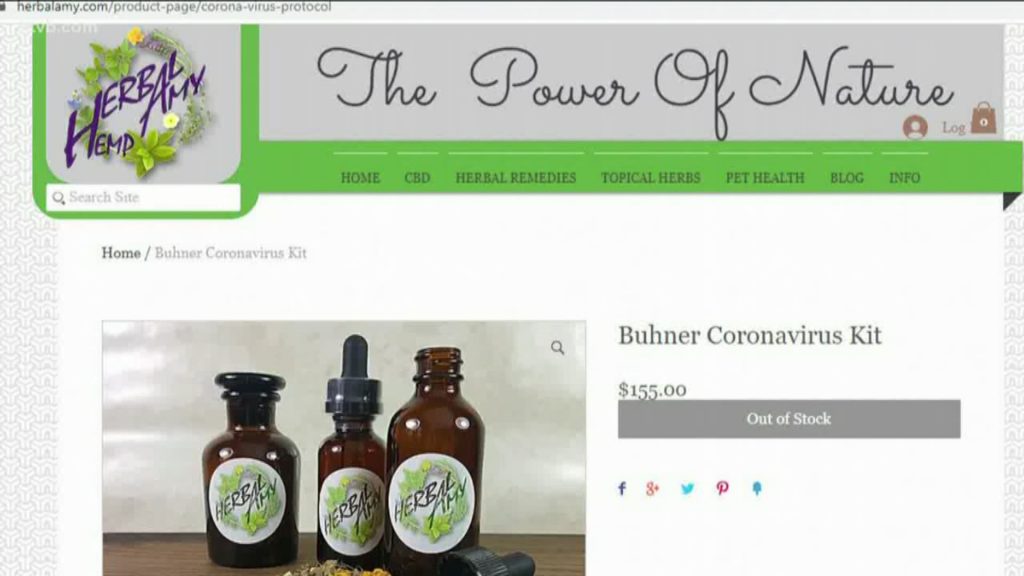
Health cons
Don’t be fooled by phony cures, prevention measures or other scams that cash in on your anxiety about COVID-19. As of March 24, there are no FDA-approved vaccines or drugs to prevent coronavirus. Not only do these scams cost you money, they also may be detrimental to your health. Just say no.
Crowdfunding
Coronavirus is impacting people, businesses and organizations everywhere. While crowdfunding is a great way to help those affected by COVID-19, it can also be a breeding ground for scam artists to deceive others and use monetary donations for personal use. Be cautious when donating to any online platform. Resources: To keep up with the latest coronavirus scams, check out the BBB’s website. You can also visit the Federal Communications Commission website for warnings, scam audio samples and safety tips.